An Immersive Journey into the Spirit of Iwamura
At the foot of Iwamura Castle, one of Japan’s three great mountaintop castles, lies Iwamura, a historic district of Ena City in Gifu Prefecture with a legacy spanning more than 800 years. Located about 90 minutes by train from Nagoya and easily accessible from Tsumago and Magome, Iwamura sits quietly in the mountains—yet remains remarkably convenient to reach.
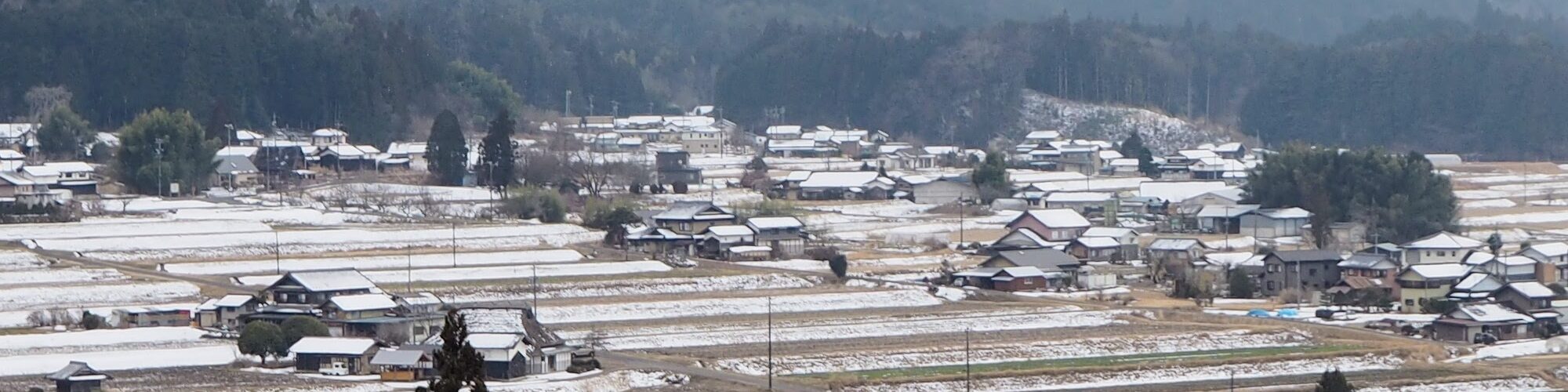
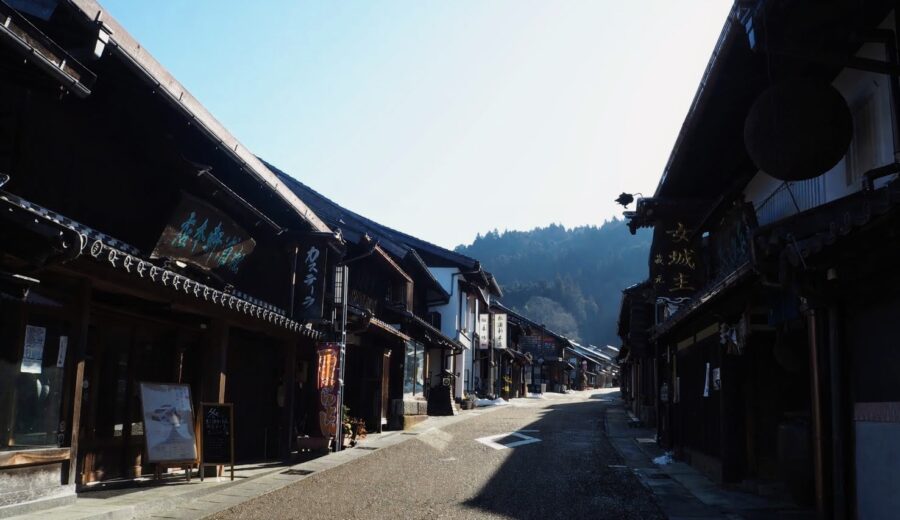
The castle town streets, designated as an Important Preservation District for Groups of Traditional Buildings, and the Tomida district—often described as “Japan’s most beautiful rural landscape”—both retain a strong sense of their original character.
Flowing through Iwamura is the spirit of Onko Chishin—“learning from the past to create the new.” This philosophy, which honors tradition while discovering new value within it, is not merely an abstract ideal. It is deeply rooted in the daily lives and actions of the people who live here.
This enduring spirit has been shaped by the teachings of three historical figures associated with Iwamura: Mr. Sato Issai, Ms. Shimoda Utako, and Mr. Miyoshi Manabu. Their ideas have become a source of local pride, inspiring a natural and unpretentious hospitality toward visitors, as well as voluntary efforts to safeguard the castle town and its surrounding rural landscape.
Iwamura is not simply a town that preserves history. It is a rare castle town where philosophy continues to live vividly in the present.
Here, we invite you to experience a journey of living and learning—im mersing yourself in the climate, culture, and spirit shaped by these great thinkers and by Iwamura’s distinctive heritage, as if you were a member of the community yourself.
Tracing the Legacies of Sato Issai: On Character and Leadership
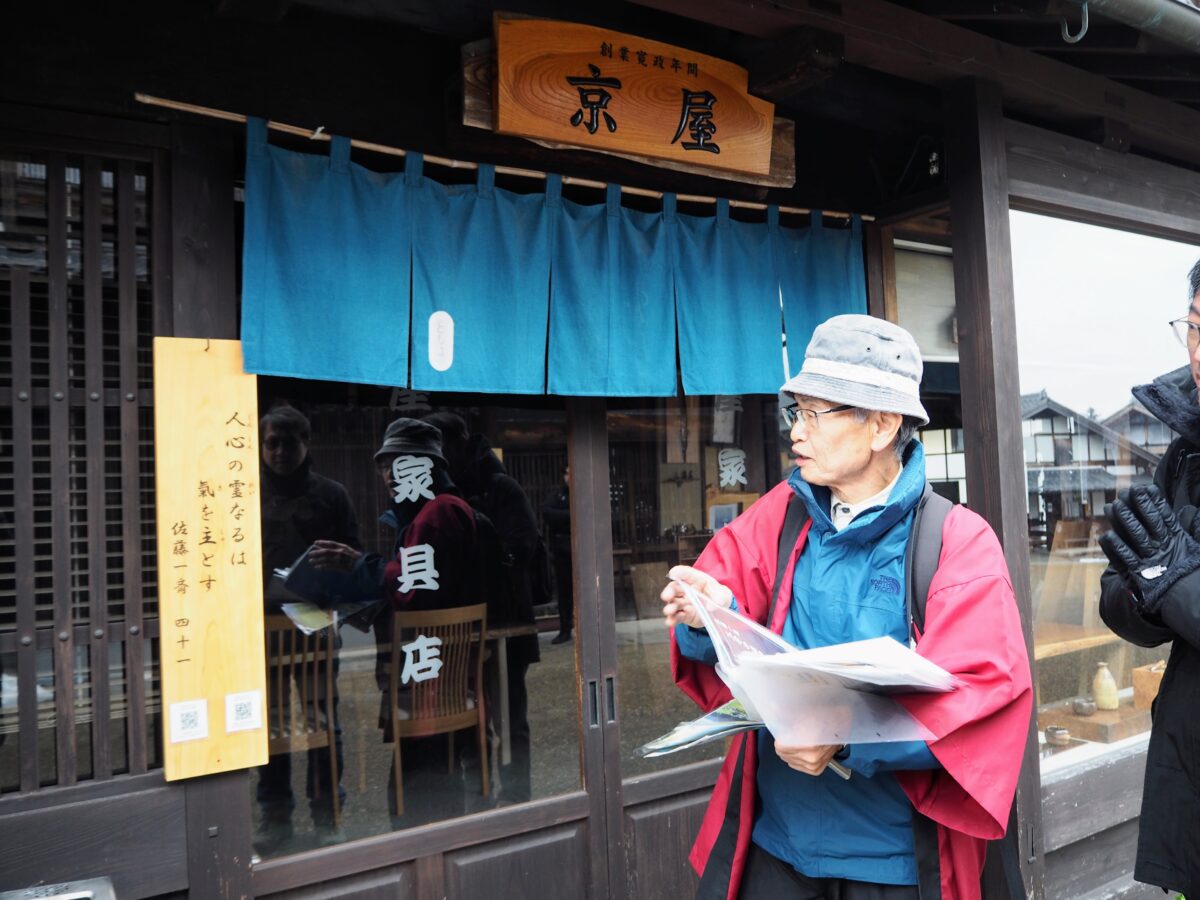
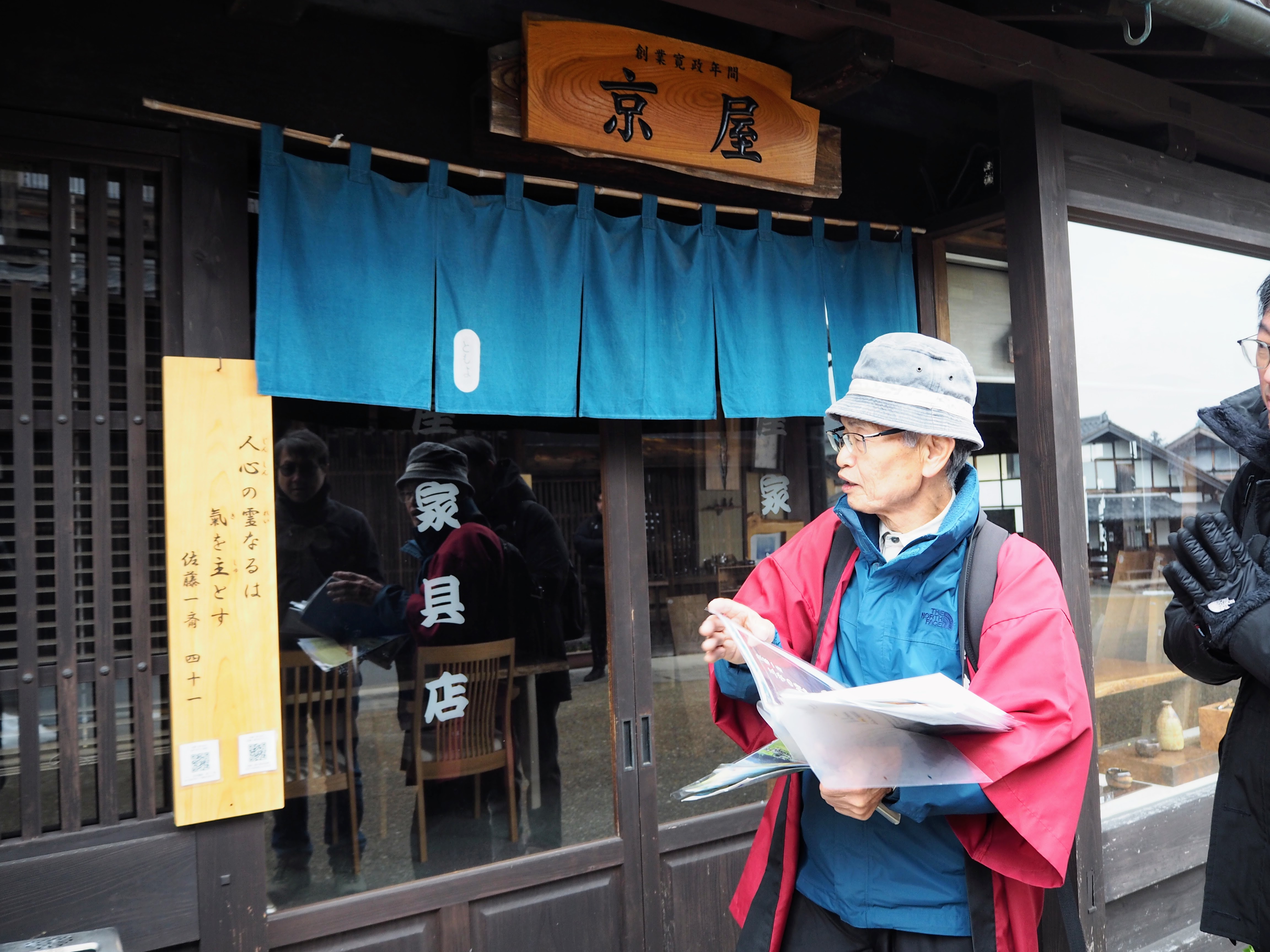
On a guided walking tour led by a local guide who has lived in Iwamura for many years, visitors encounter a side of Iwamura where the teachings of its great thinkers continue to live within the rhythms of everyday life.
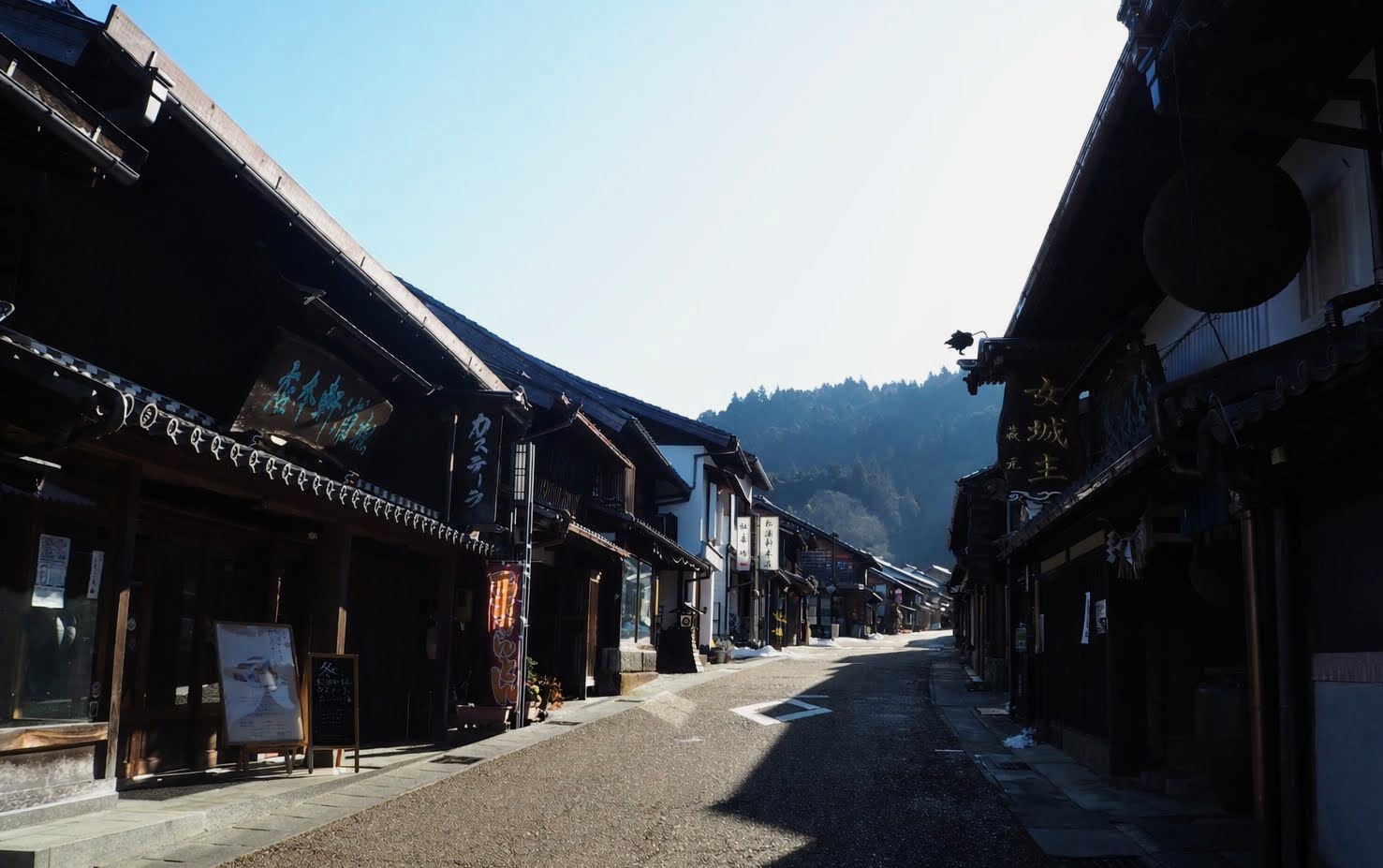
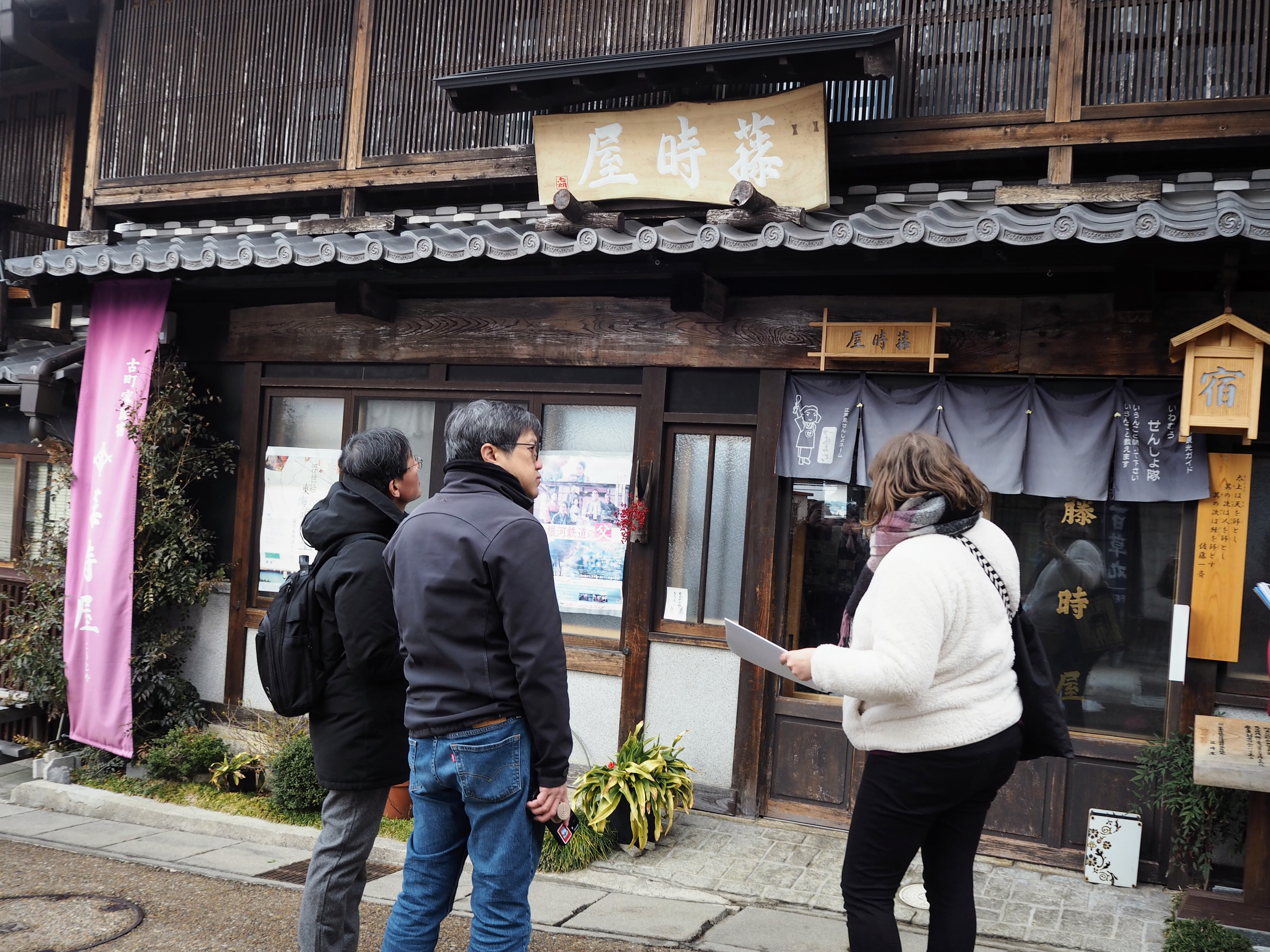
As you stroll through the castle town, one of the first things you notice is the series of wooden plaques displayed beneath the eaves of traditional houses. Blending quietly into the calm streetscape, these inscribed words are drawn from the teachings of Sato Issai, a Confucian scholar born in Iwamura.
Sato Issai was an influential thinker active from the late Edo period to the years leading up to the Meiji Restoration. He advocated lifelong learning and a disciplined moral character. His ideas profoundly influenced many leaders who helped shape modern Japan, including Saigo Takamori. Even today, his writings are cited in discussions of leadership and management.
In the castle town, Issai’s words are still displayed on the homes of local residents. They are not presented merely as historical quotations, but as living principles—expressions of hospitality and of the town’s sincere and composed character, naturally embedded in daily life.
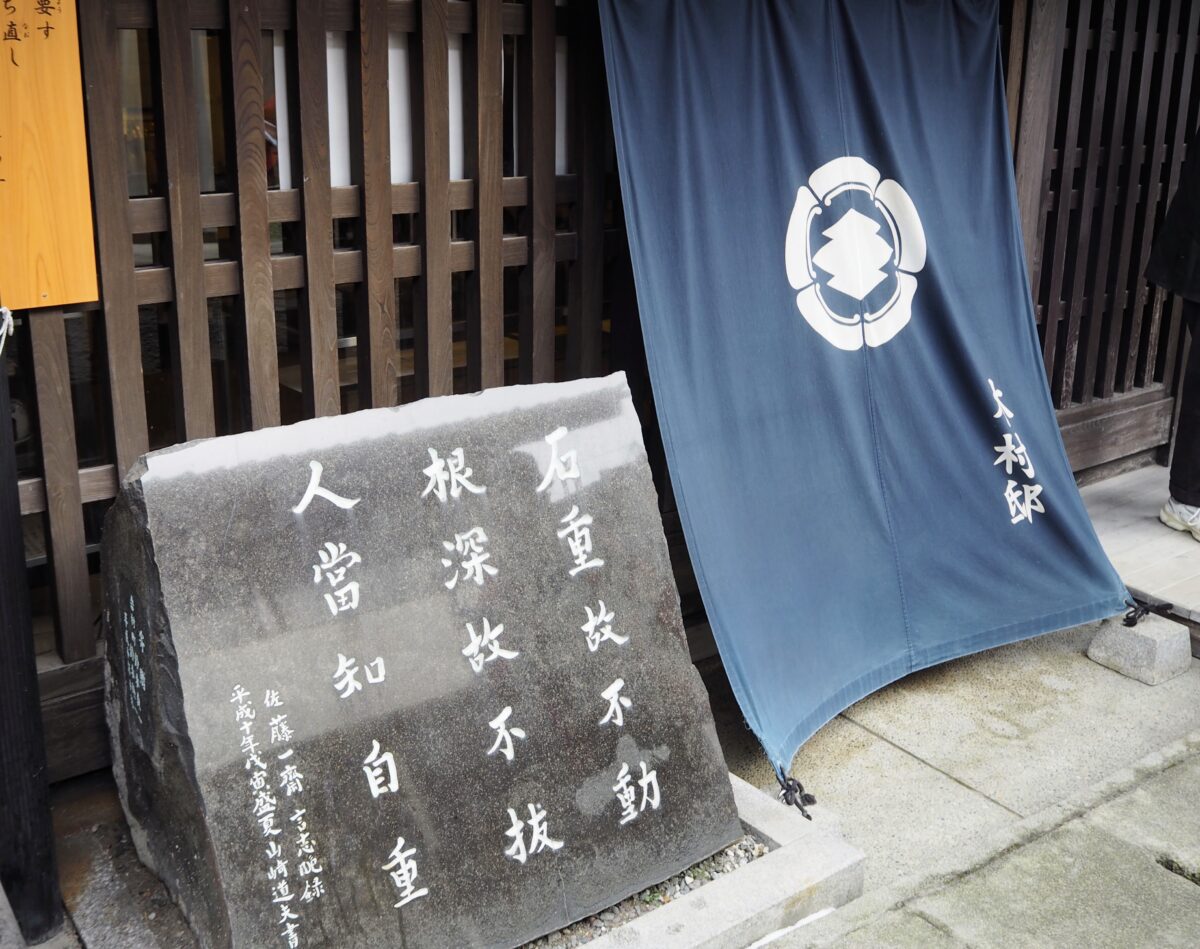
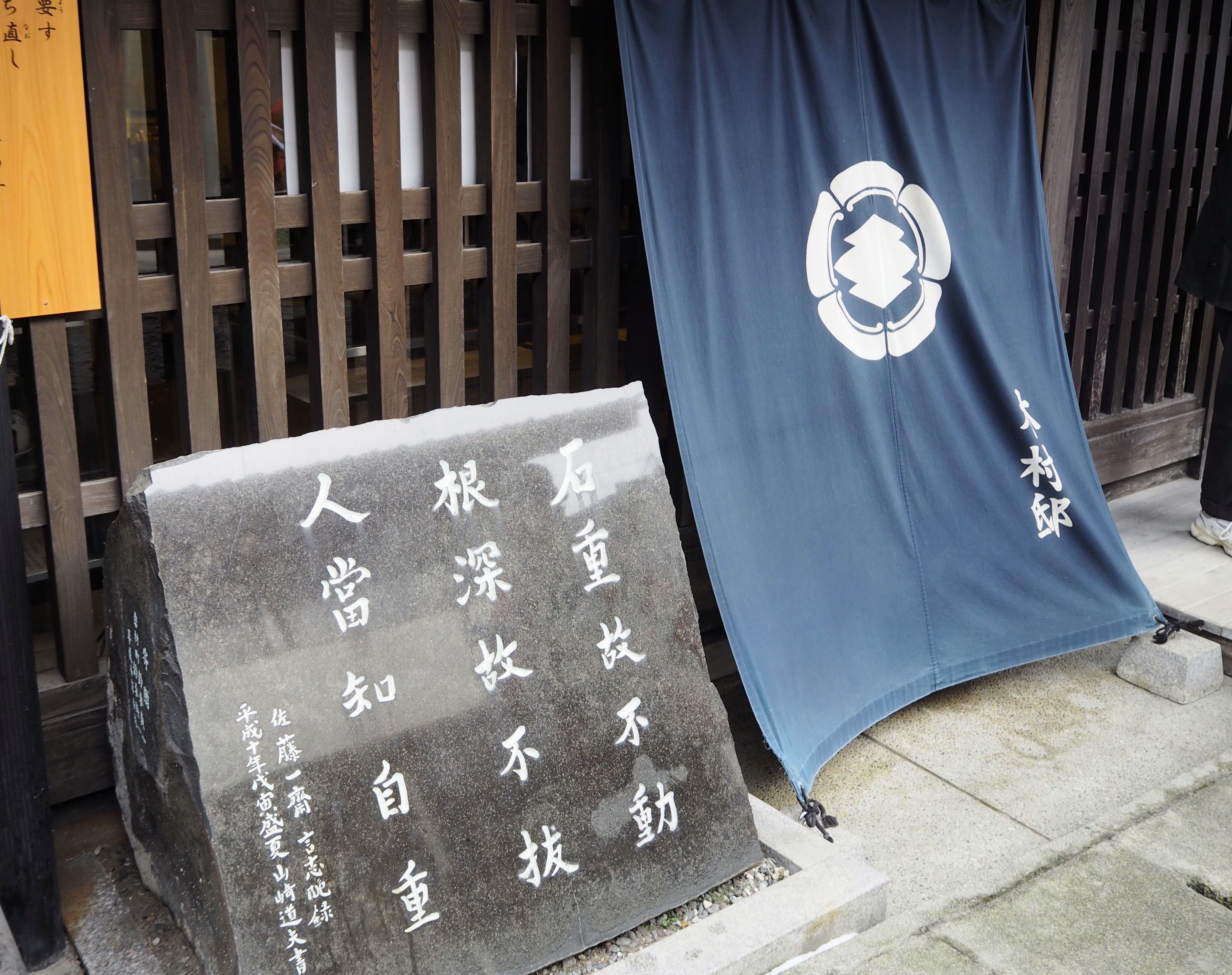
One phrase, in particular, symbolizes the spirit of the town:
“Stone is heavy, therefore it does not move. Roots are deep, therefore they cannot be pulled out. A person must understand self-restraint.”
Just as a heavy stone does not easily shift and a deeply rooted tree does not easily fall, the saying teaches that a person should understand their responsibilities and stand firm in their role.
Rather than advocating leadership through power or authority, it emphasizes self-discipline and the quiet strength that earns trust. In fact, some Japanese business leaders continue to revisit Issai’s written work, Jushoku Kokoroe Kajo (Precepts for Those in Positions of Responsibility), as guidance for those who stand at the head of an organization.
Opened in October 2025, the Sato Issai Learning Community invites visitors to engage in dialogue with Sato Issai through the use of AI, offering an interactive way to explore his teachings. Through advanced AI technology, each traveler is presented with a once-in-a-lifetime message—words uniquely suited to what they need most at that very moment.
The words etched along the tranquil streets of the castle town do more than convey history and culture—they gently pose questions to those who walk among them.
Time spent in Iwamura becomes more than a scenic stroll; it offers a moment for reflection, learning, and personal insight.
The Women of Iwamura Who Opened a New Era
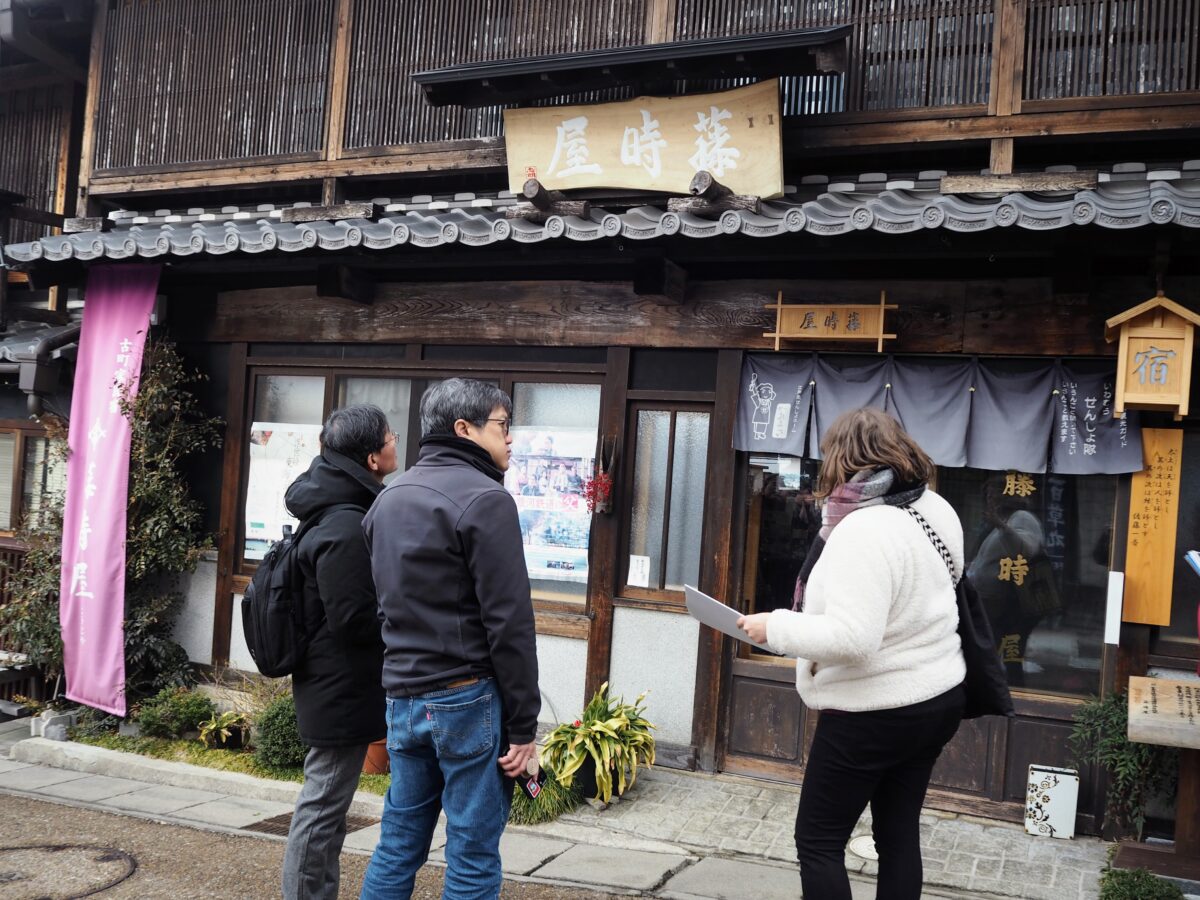
Another sight that catches your eye as you stroll through the castle town is the series of blue noren curtains.
Traditionally, a noren is hung at the entrance of a shop to indicate that it is open for business. In Iwamura, however, they are also displayed under the eaves of ordinary homes, each bearing a single name. That name belongs to the woman who manages the household or shop—the okami-san, the female head who keeps things running.
This custom was born as part of a local revitalization effort, inspired by the legacy of Otsuya no Kata, the woman who ruled Iwamura in the late 16th century.
The aunt of the Sengoku warlord Oda Nobunaga, she married the lord of Iwamura Castle and, after her husband’s death, governed in place of her young heir.
Through her benevolent rule and dedication to protecting her people, she earned deep trust and admiration, and her memory lives on in the town to this day.
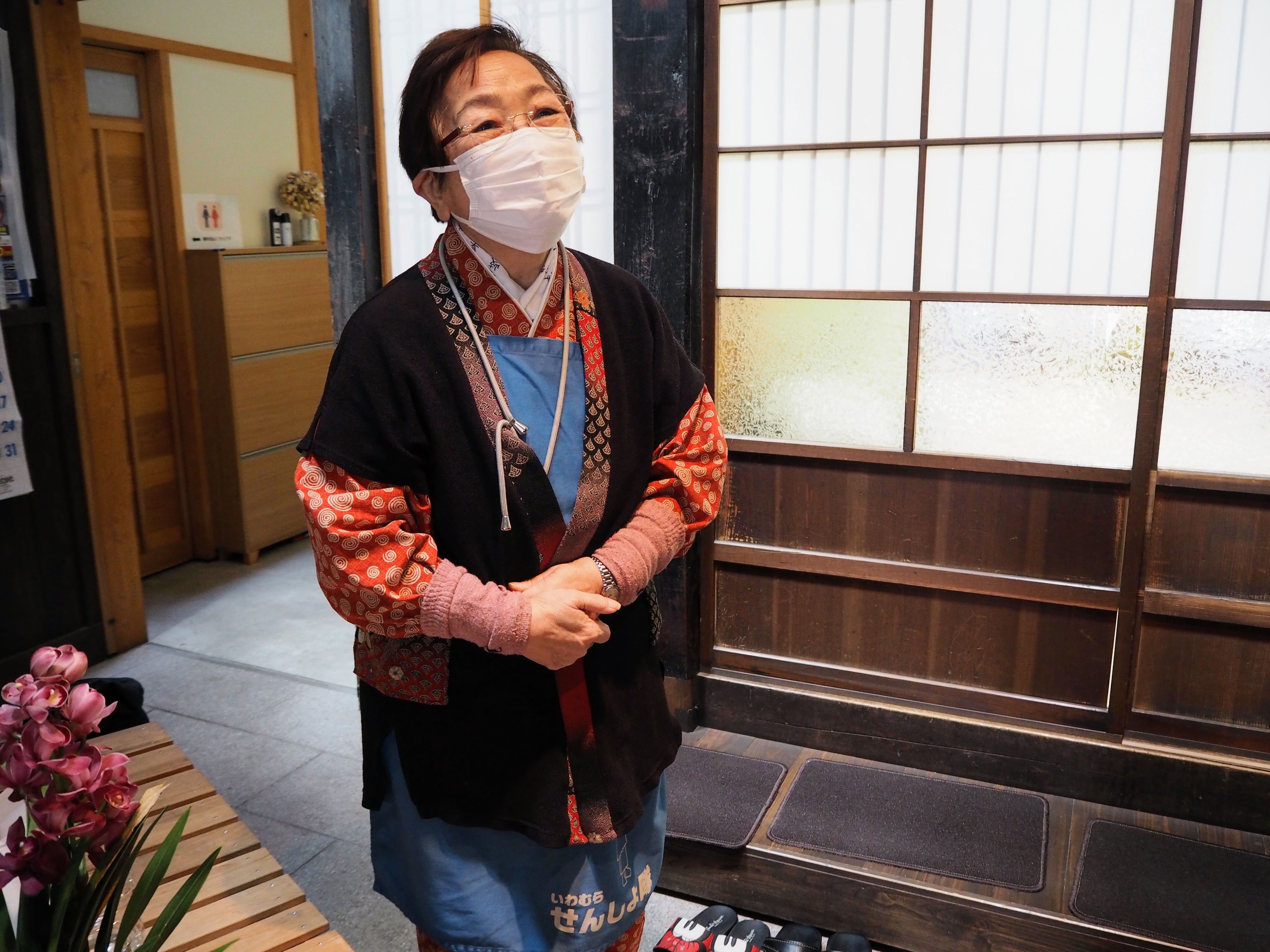
Carrying on the spirit of this “Woman Castle Lord,” a new community initiative called the “Sensho-tai” was launched about 20 years ago to support town development. “Sensho” is a local dialect word meaning “kind assistance” or “thoughtful care.” Wherever the “Sensho-tai” noren hangs, local women voluntarily welcome visitors and share the stories and daily life of Iwamura.
This initiative has given women in Iwamura a new and visible role, bringing them from behind the scenes of the home to the forefront of the town’s public life.
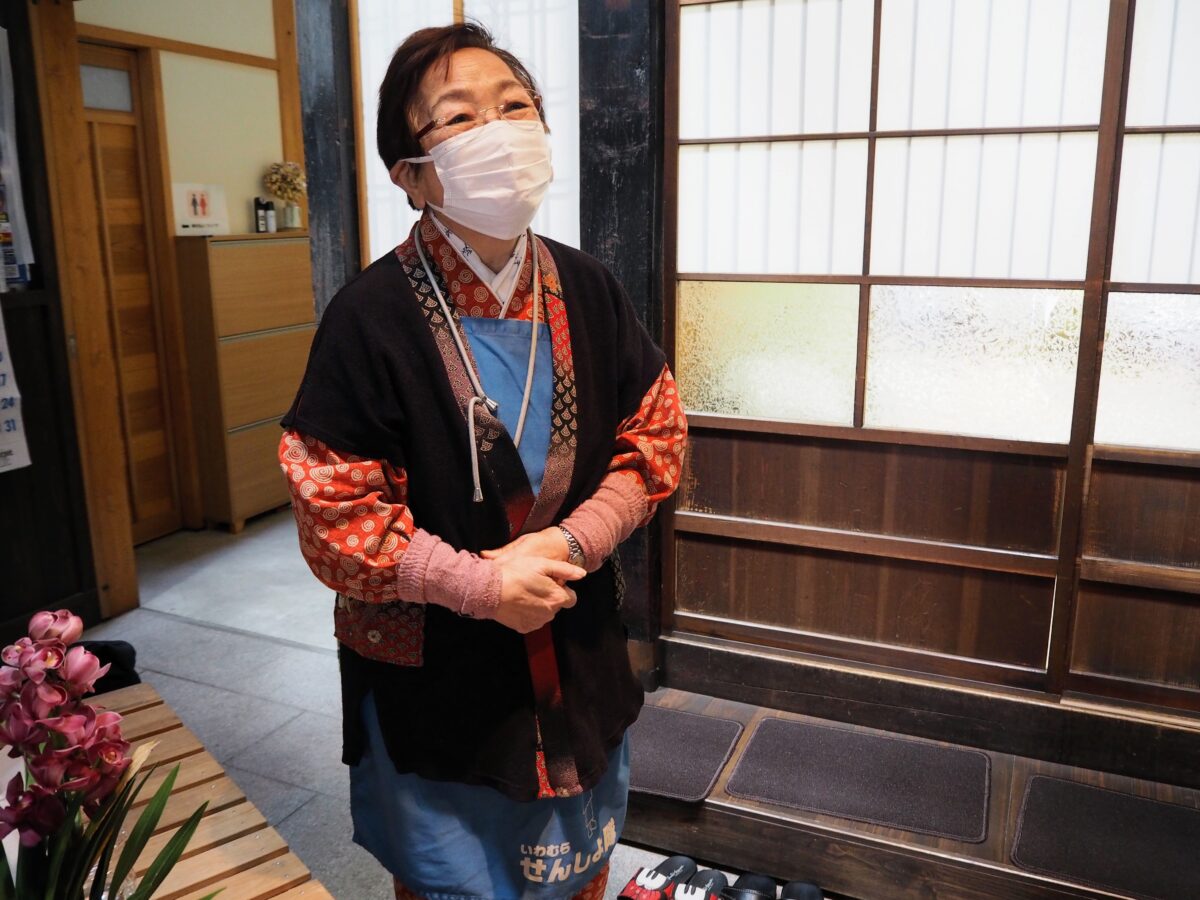
Ms. Masako Fujii from Tojiya (guest house) is a member of “Sensho-tai”
This spirit also quietly resonates with the philosophy of another important woman in Iwamura’s history: Shimoda Utako.
In the mid-19th century, girls were not permitted to study at Hankou (藩校). (A han school was an educational institution in Edo-period Japan established by a daimyo (a feudal lord) to educate the sons of his samurai in Confucian classics, martial arts, and administrative skills.)
Yet Utako, born into a scholarly samurai family in Iwamura, received an education in Confucianism, history, and literature.
She founded a school for women that later became Jissen Women’s University (1899), playing a part in expanding the doors to academic study for women. She was one of the pioneers of women’s education in Japan, along with educators such as Tsuda Umeko, an educator whose portrait appears on today’s 5,000-yen note.Utako dedicated her life to women’s education, promoting the independence and improving the status of women in modern Japan.
“Use the pure sensibilities and rich emotions of women to correct the ills of society.”
“The hand that rocks the cradle can also move the world.”
Shimoda left behind powerful words:
Her conviction that women’s education and strength could transform society continues to resonate today. The progress of women’s empowerment and gender equality—values shared across nations—has advanced step by step because of pioneers like her, whose legacy can still be traced in Iwamura.
Brewing the Spirit of the Woman Castle Lord, Iwamura Brewery
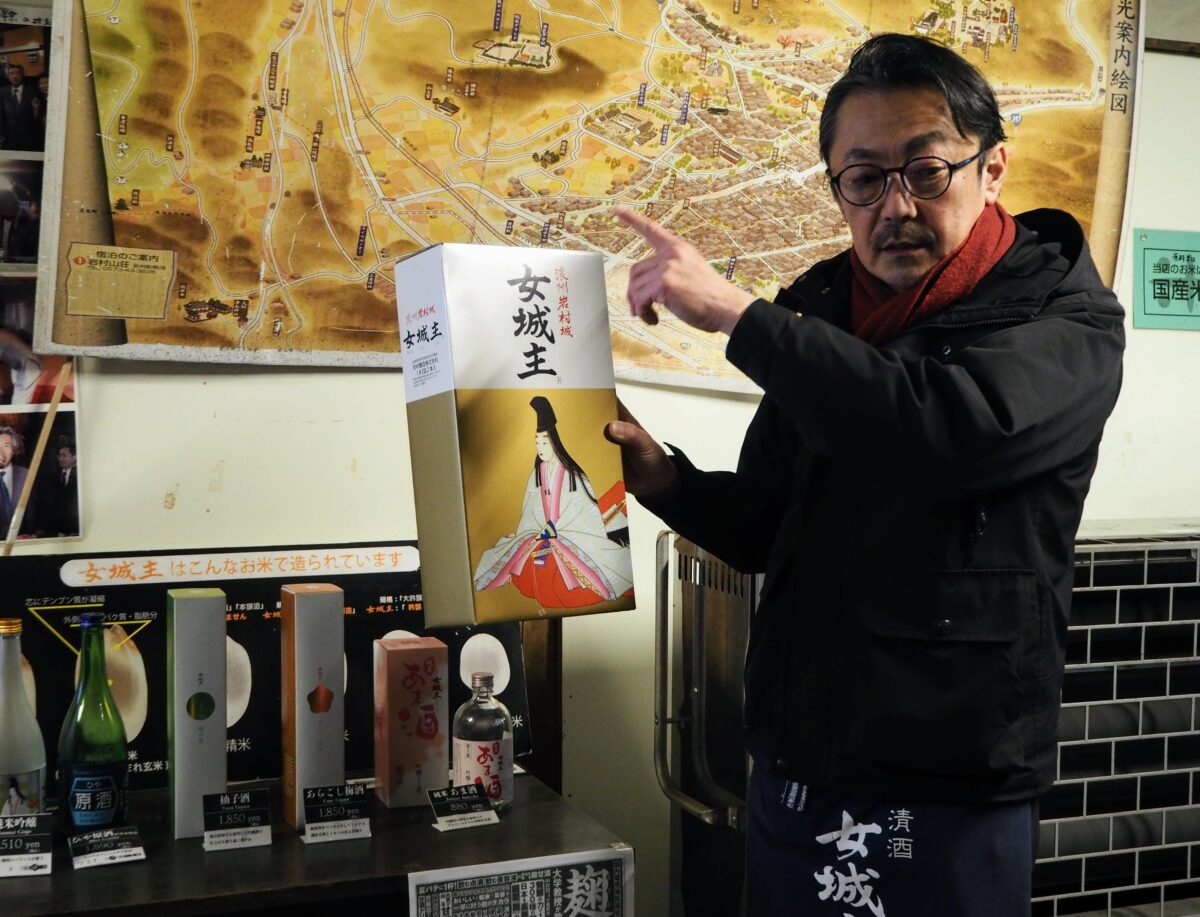
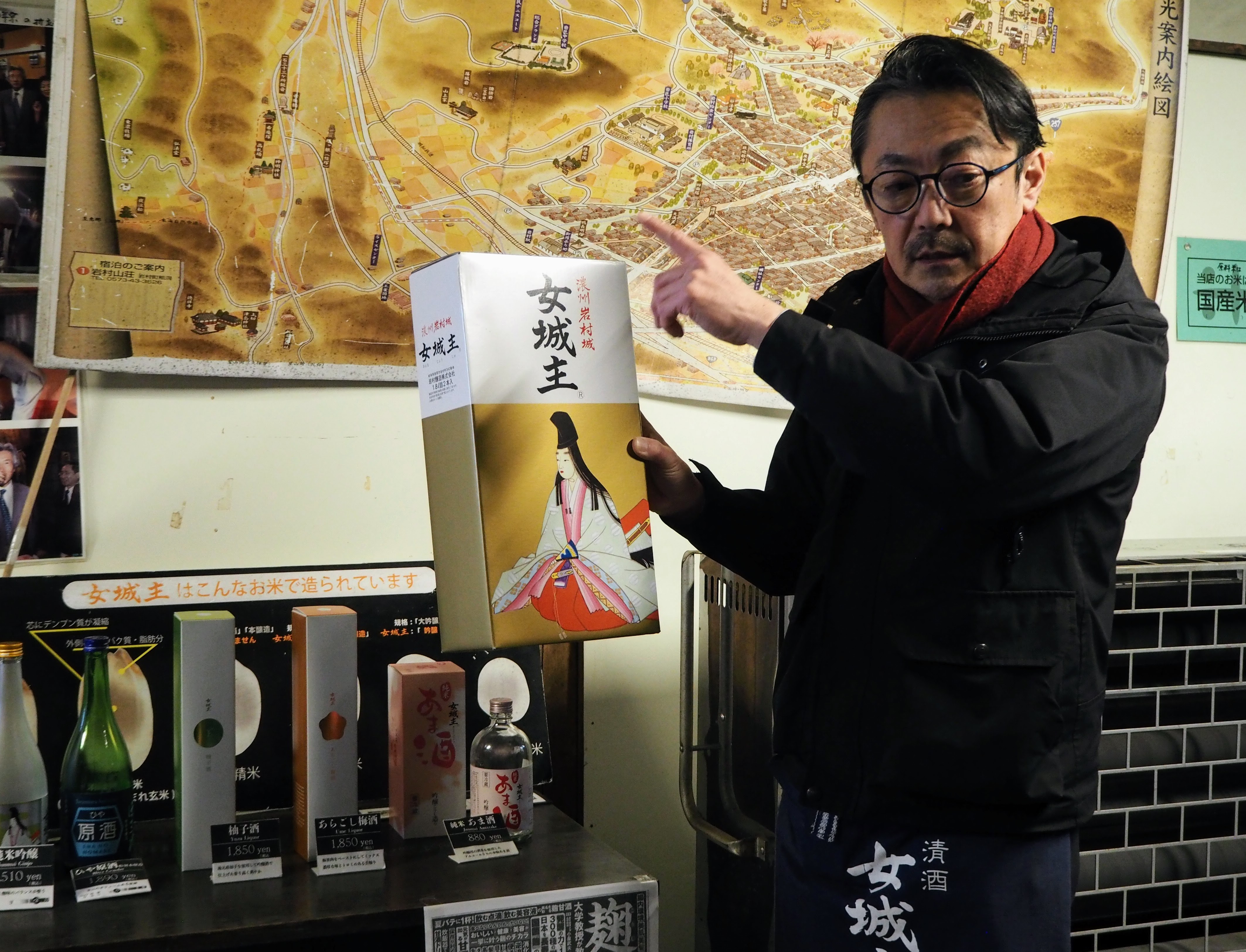
A place where the legacy of the “Woman Castle Lord” and Iwamura’s enduring pride can still be felt today is the historic brewery, Iwamura Brewery.
Founded in 1787, this family-run sake brewery has been operated by the Watarai family for nearly 240 years. Parts of the building incorporate materials from Iwamura Castle, dismantled during the Meiji period, and its narrow frontage with deep interior preserves the atmosphere of earlier times.
Its signature label, “Onna Joshu” (Woman Castle Lord), features the image of the female ruler who once governed this land, keeping her legacy alive in every bottle.
During a special tour led by the seventh-generation owner, we learned that the brewery uses locally grown rice and natural well water drawn from a 400-year-old source—chosen specifically because its mineral composition matches the water that nourishes the rice fields. This deep commitment to terroir defines their approach to truly local sake.
As winter marks the peak brewing season, we were invited to taste the fermenting moromi directly from the vat—a rare experience unique to a working brewery. Rich yet smooth, with a gentle texture reminiscent of sweet amazake, it offered a flavor seldom encountered elsewhere.
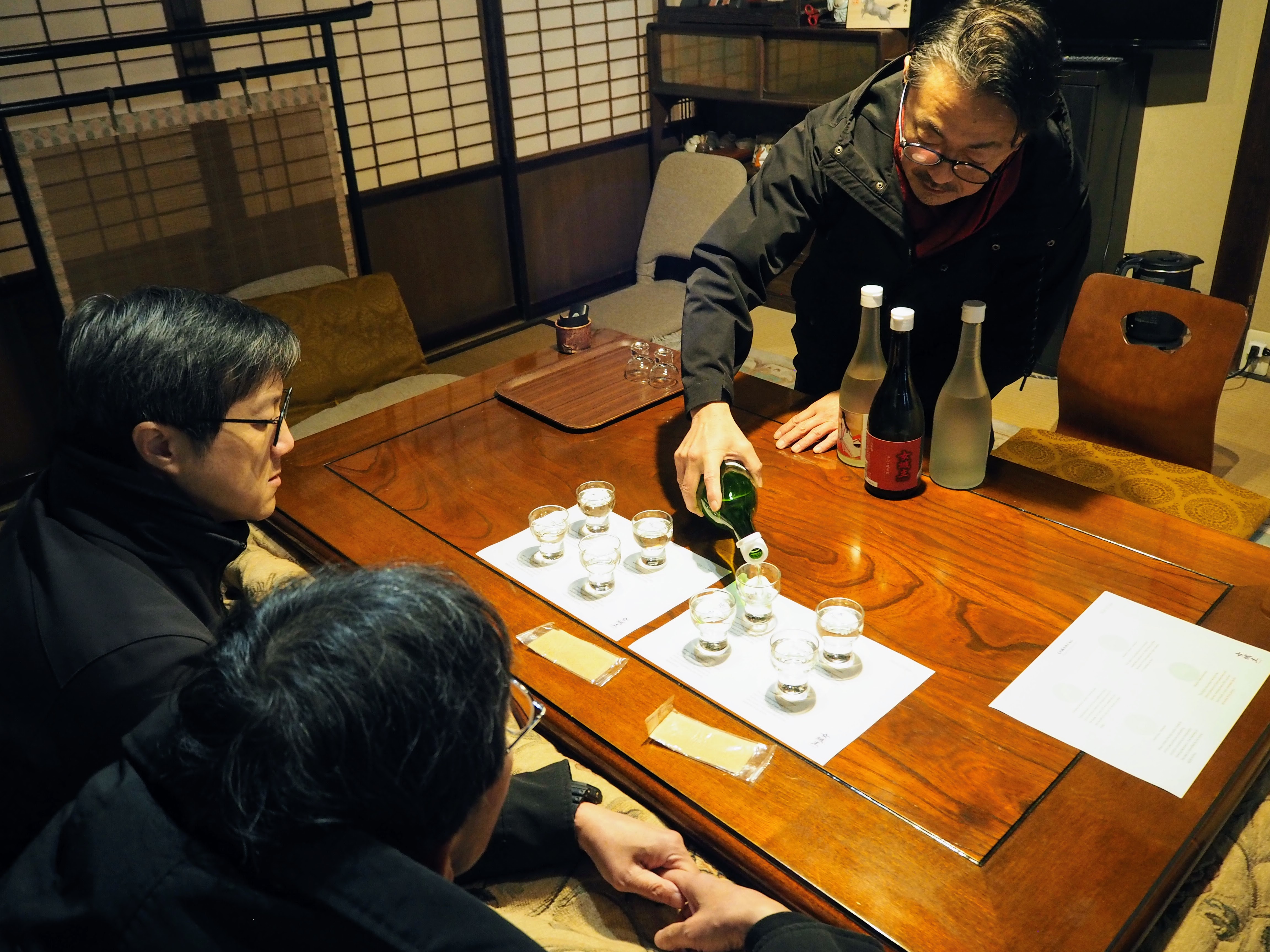
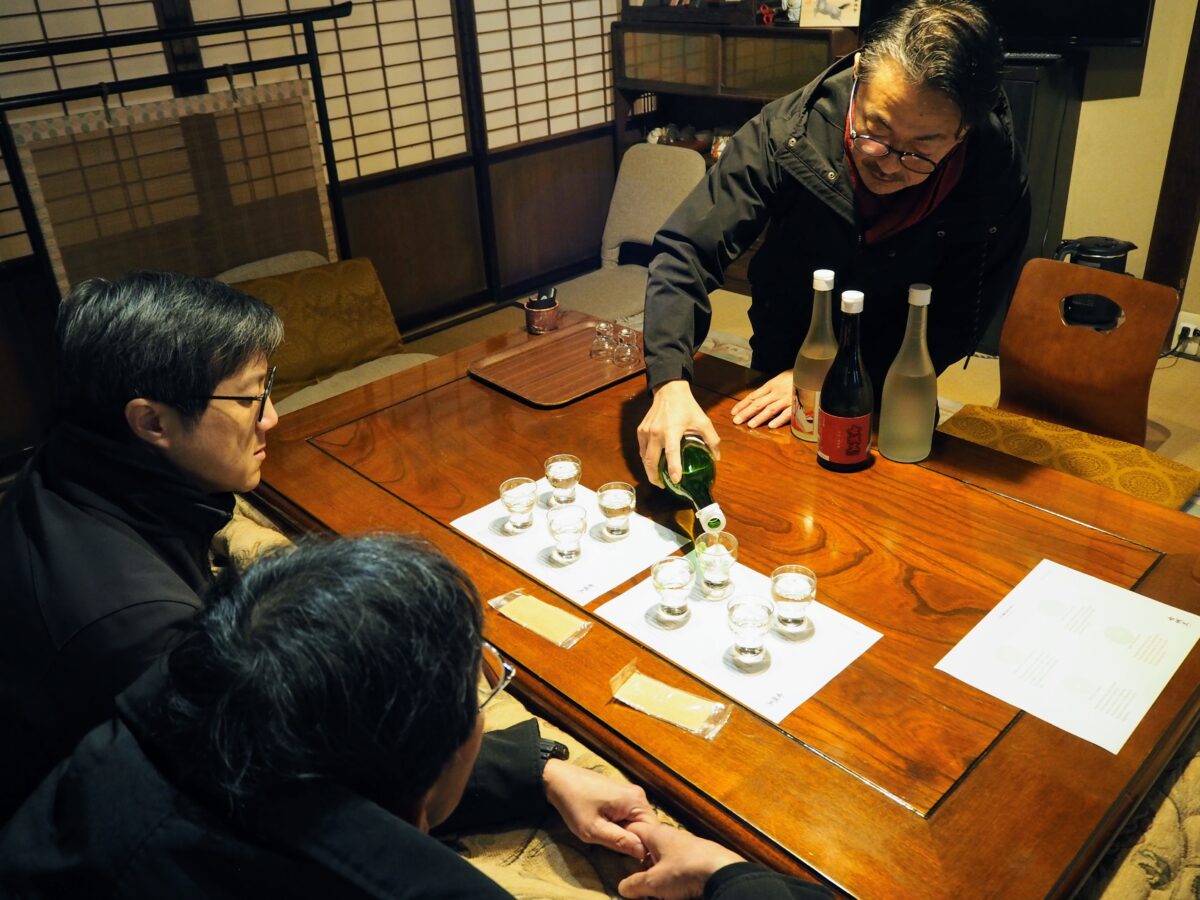
In a tatami room overlooking a serene garden, we sampled four varieties including “Onna Joshu.” Some batches are even matured while exposed to classical music—an experimental touch that reflects the brewery’s spirit of innovation.
Bearing the town’s name, Iwamura Brewery continually reflects on the meaning of crafting sake in this place. Its pursuit of authentic local sake embodies the same pride and sense of responsibility that define Iwamura itself.
Experiencing Rural Life in Scenic Tomida
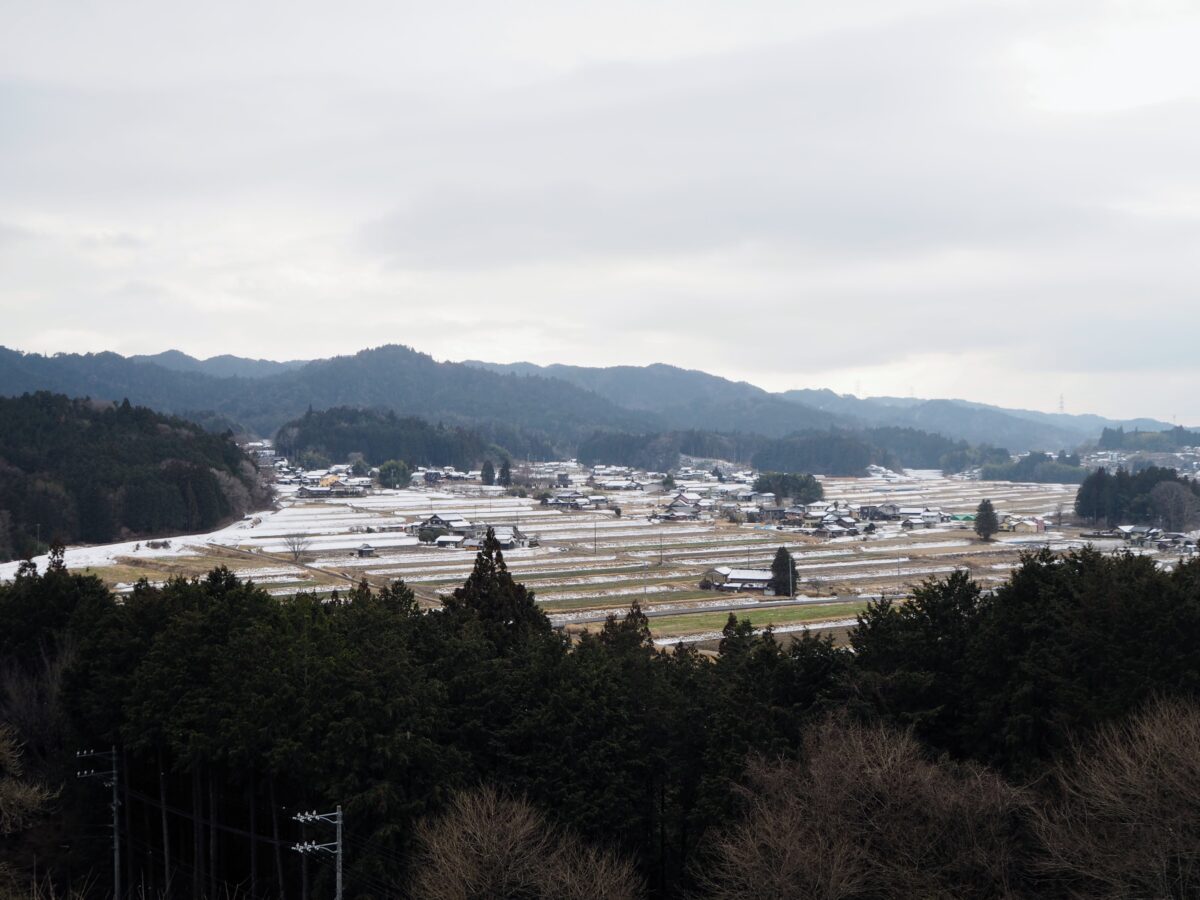
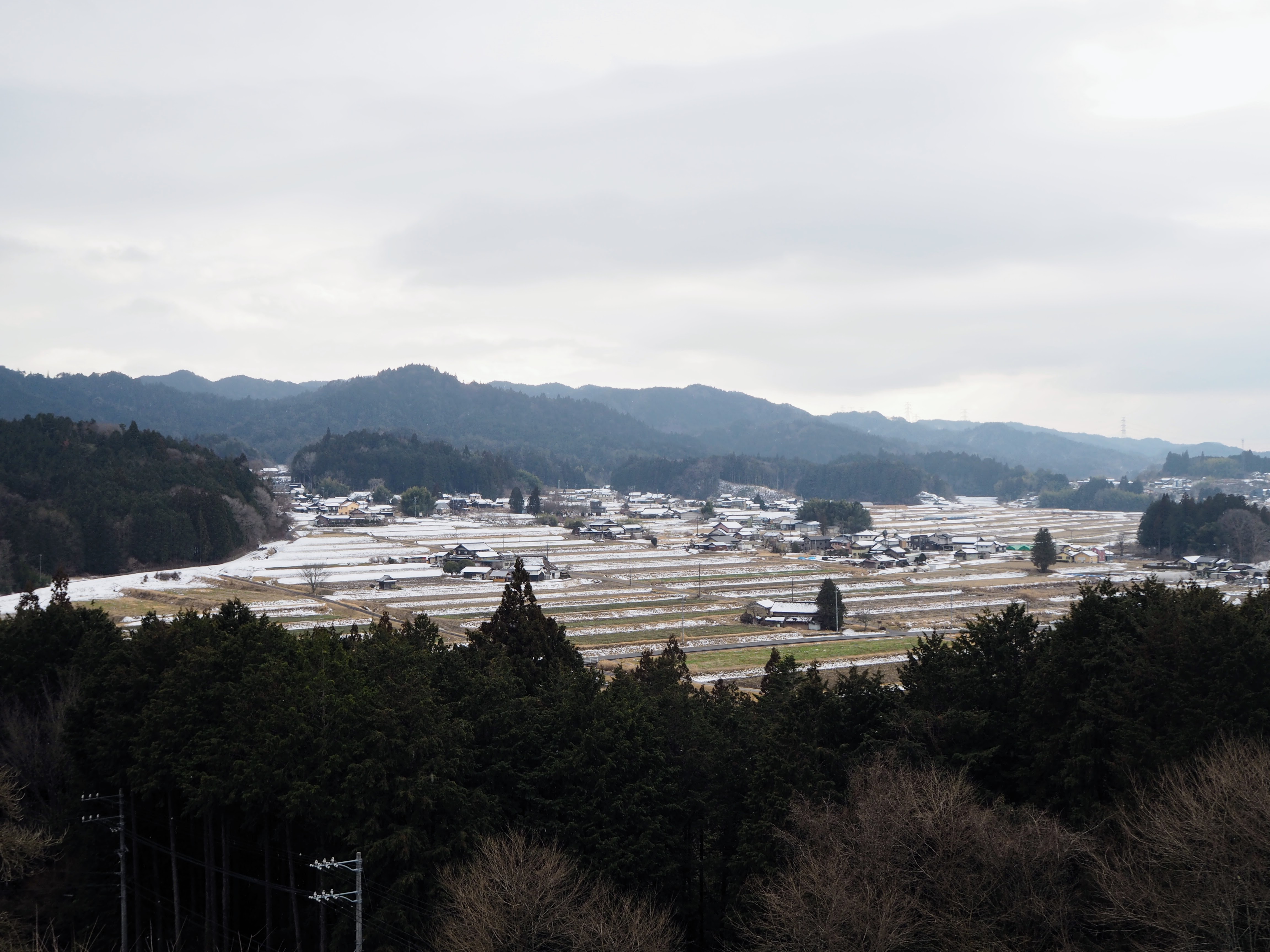
Let us step into the Tomida district, often described as “Japan’s most beautiful rural landscape,” and experience both the scenery and the way of life it sustains.
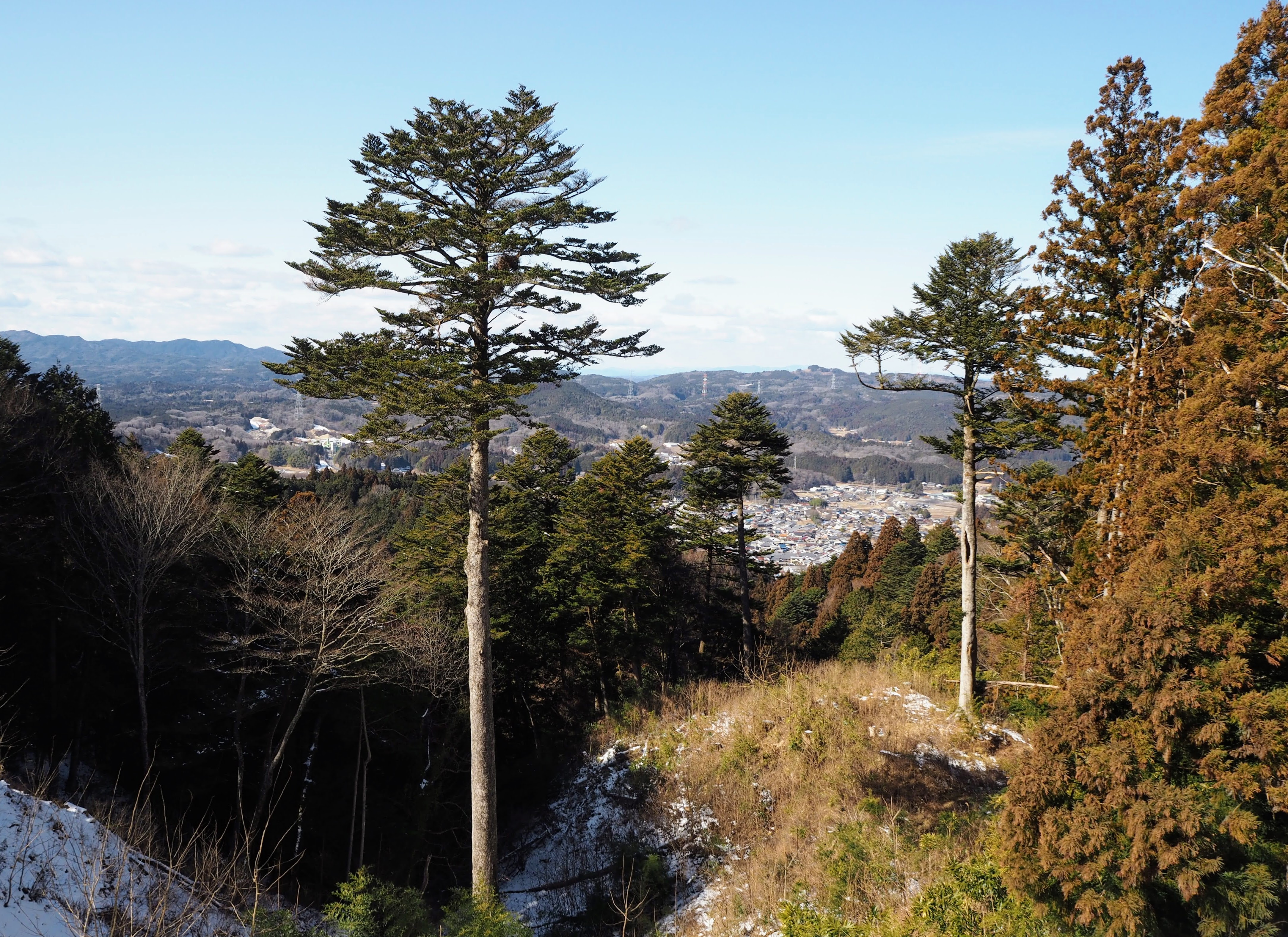
The view that unfolds here is not merely a picturesque countryside scene. In Iwamura, this landscape itself is regarded as a cultural asset to be preserved and passed on.
The view that unfolds here is not merely a picturesque countryside scene. In Iwamura, this landscape itself is regarded as a cultural asset to be preserved and passed on.
At the heart of this philosophy is Miyoshi Manabu, a botanist born in Iwamura who laid the foundations of modern botany in Japan. He was also the first in Japan to use the term “landscape” in a cultural sense. Rather than seeing nature as something to be developed, he understood it as a legacy nurtured through the relationship between people and their daily lives. In Iwamura, this way of thinking continues to guide concrete action.
For example, in the rural areas and around the scenic viewpoint, a resident-led group called “The Association to Preserve Japan’s Finest Rural Landscape” carries out grass-cutting twice a year. In the Tomida district, local residents themselves maintain the rice field embankments and irrigation channels, preserving the scenery that has earned this distinguished reputation.
In Iwamura, landscape is not something preserved by someone else. It is a living culture, sustained through the everyday efforts of each resident.
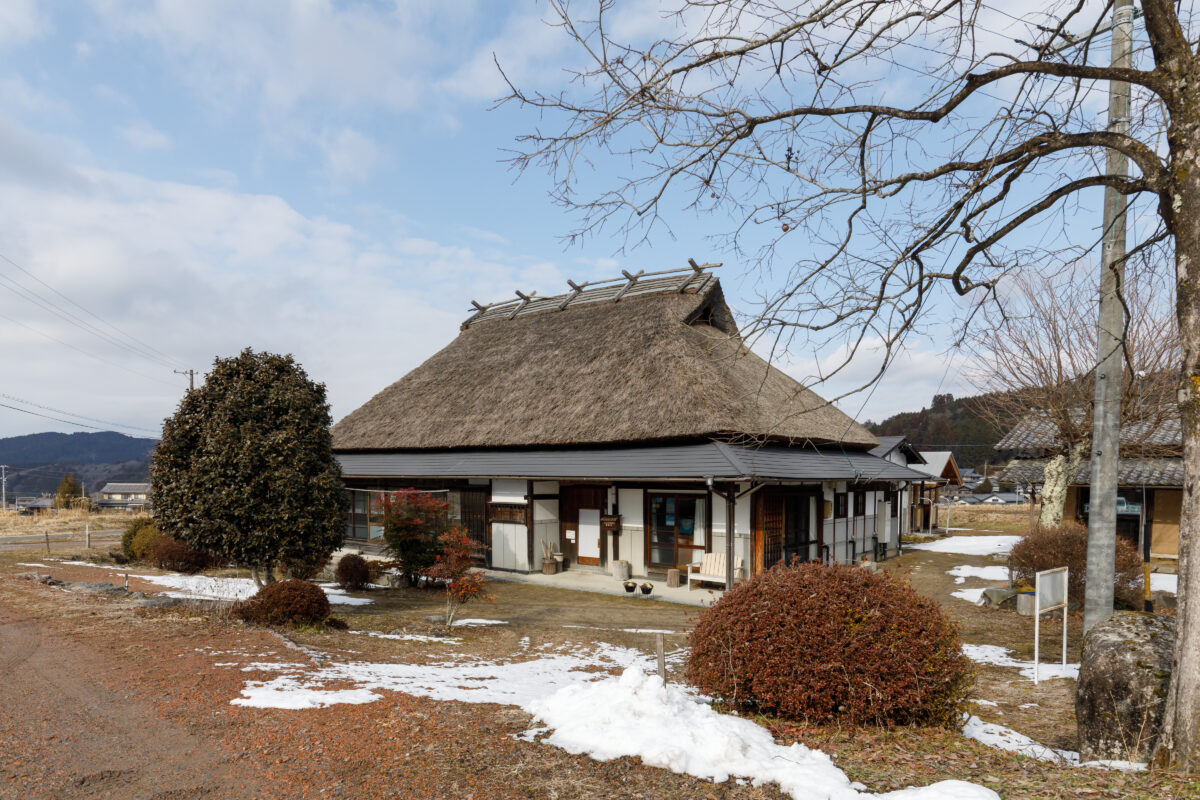
The restoration of the thatched-roof farmhouse inn “Kaya no yado Tomida” is another initiative that connects this landscape to the next generation.
Renovated from a 140-year-old traditional house, the inn allows guests to experience the atmosphere of old rural life while enjoying modern comfort. During our visit, we were offered a special experience that brought this philosophy vividly to life.
Gagaku: Expressing the Spirit of Iwamura
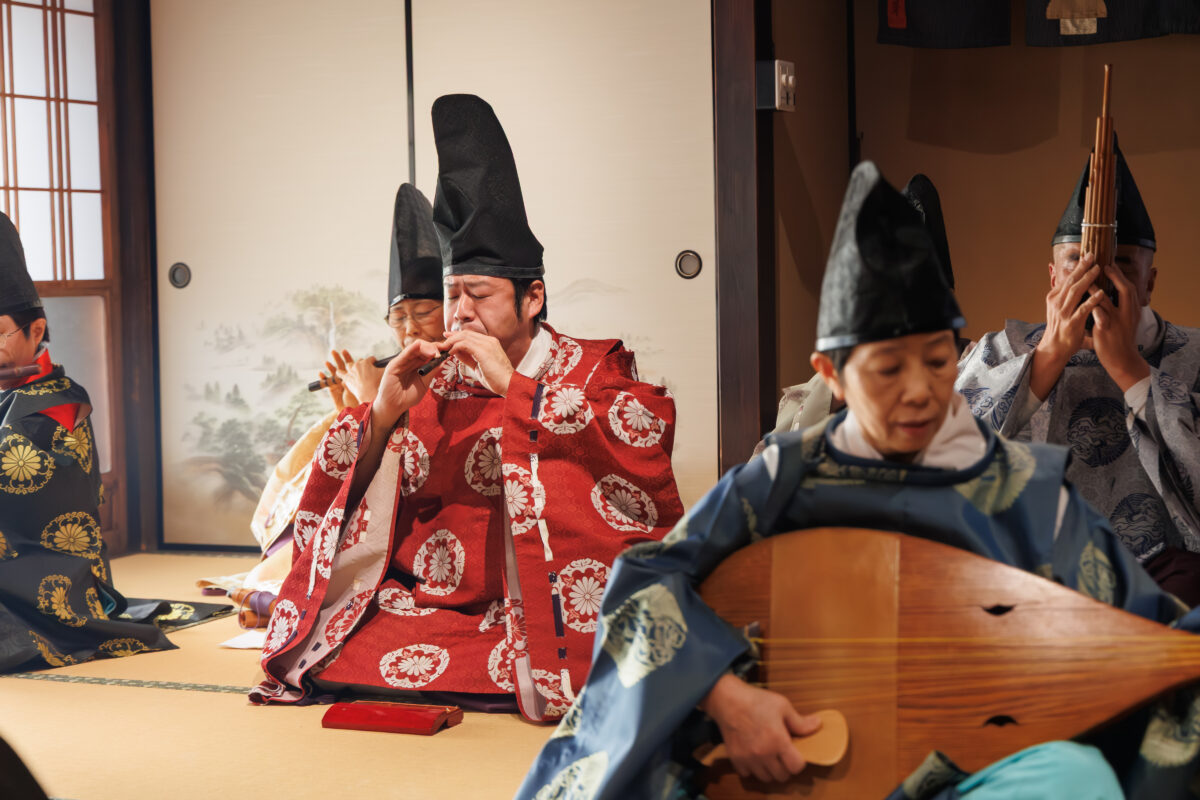
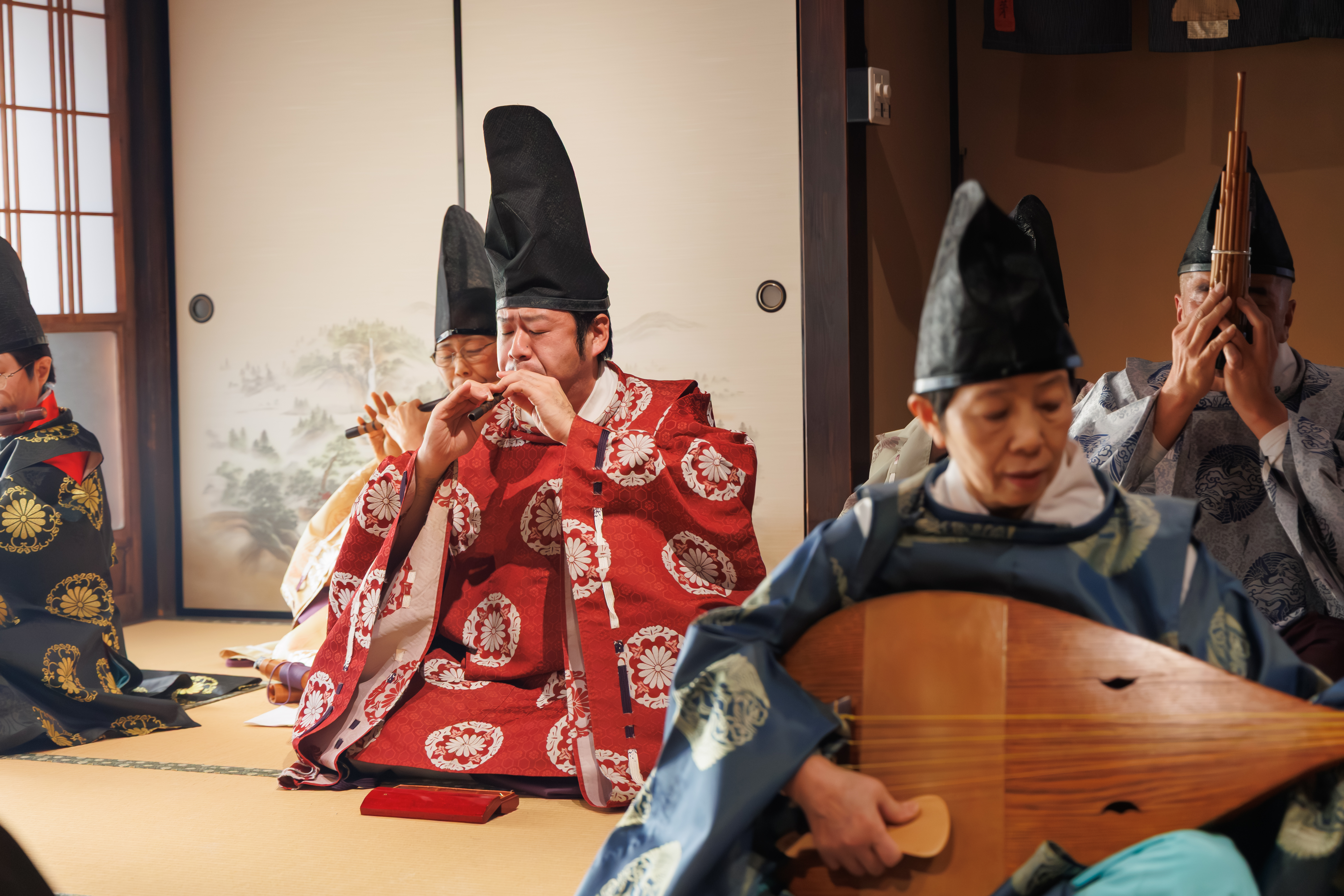
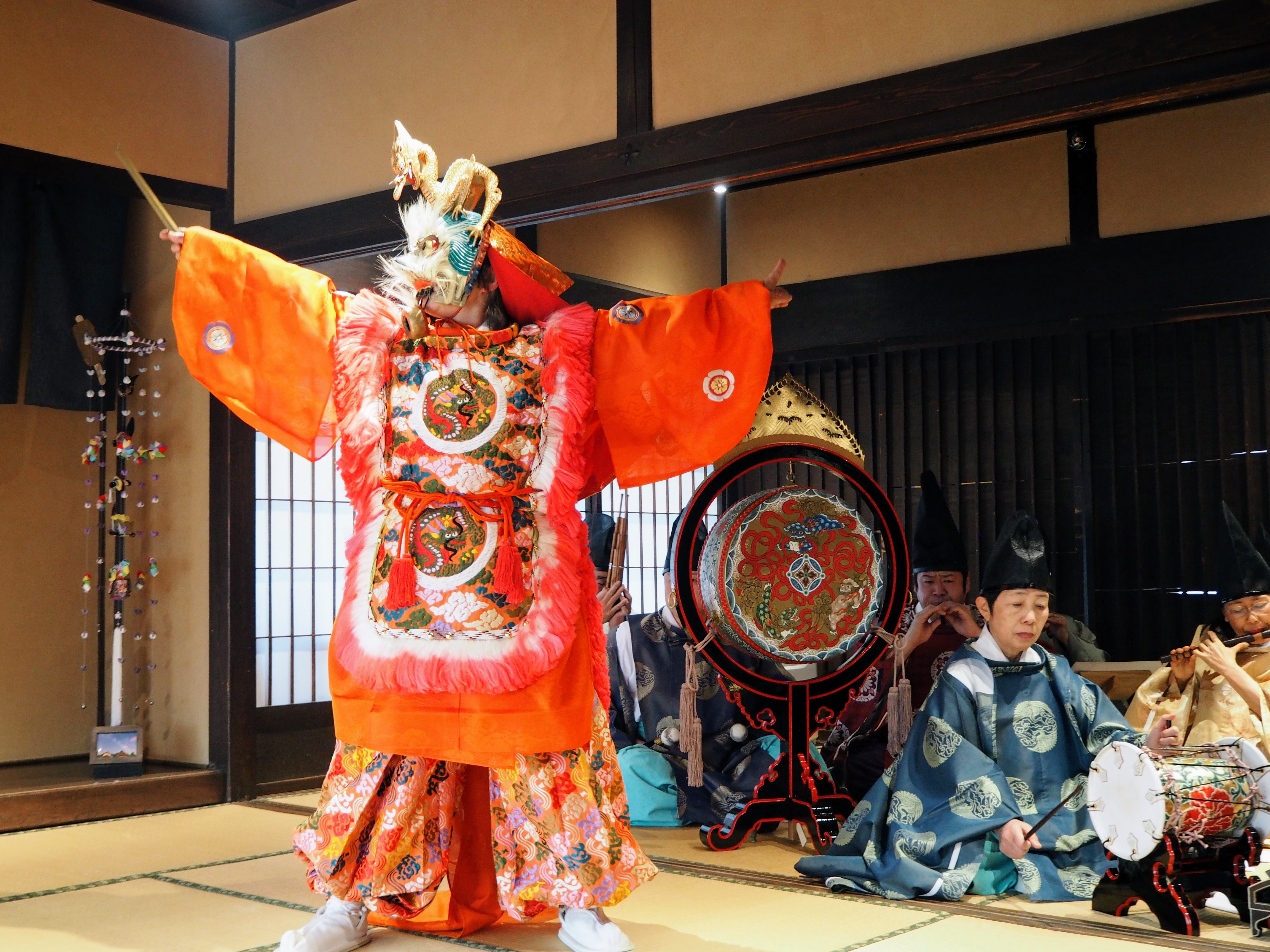
At Kaya no yado Tomida, we had a special opportunity to experience Gagaku, one of Japan’s most ancient traditional performing arts.
Gagaku developed through the fusion of indigenous Japanese song and dance with musical and choreographic traditions introduced from China and the Korean Peninsula between the Asuka and Heian periods, reaching its full maturity in the mid-Heian period.
It has long been performed in imperial court ceremonies as well as at Shinto shrines and Buddhist temples.
Gagaku also carries prayers for abundant harvests. In Iwamura, it is typically performed as a dedicatory offering during the autumn festival, joining the procession through the castle town.
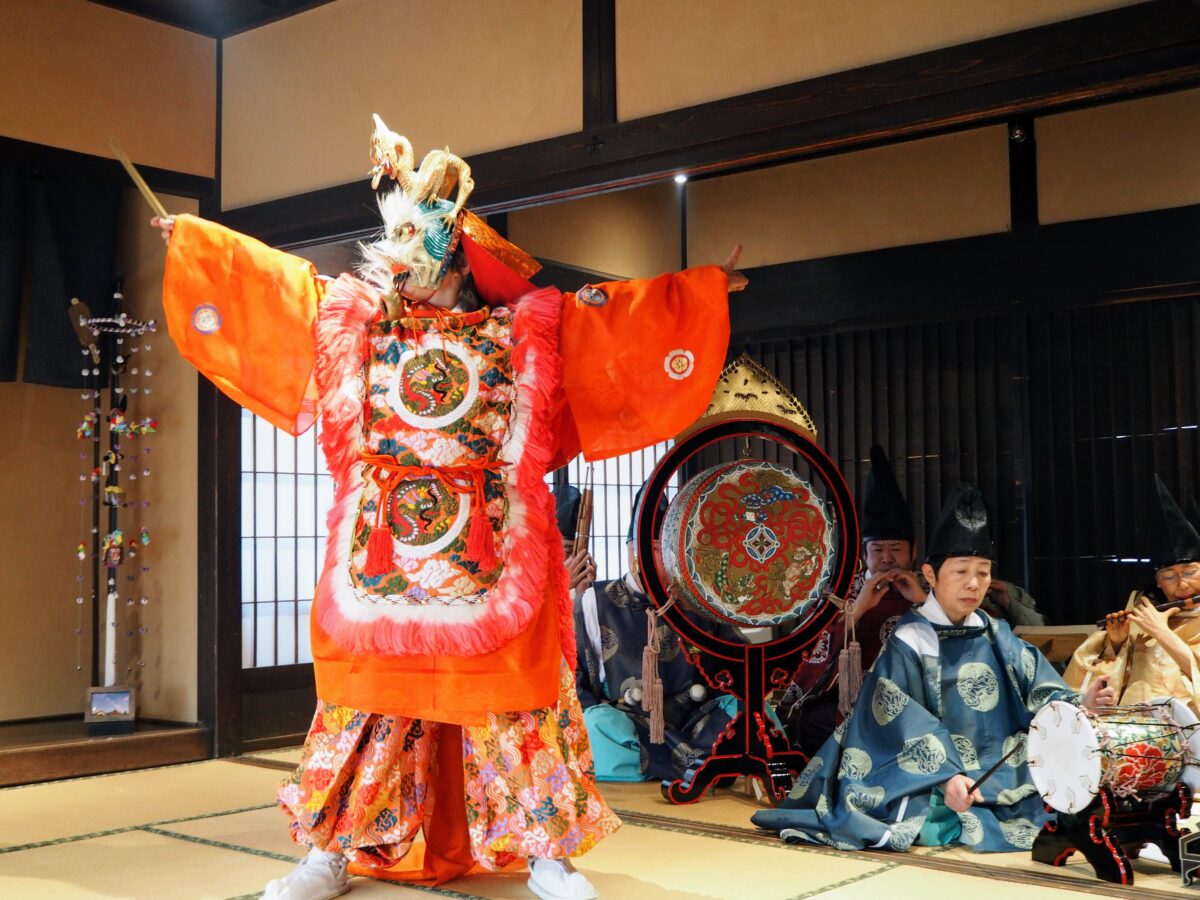
The performance was a collaboration between the Gifu-based Shofukai Gagaku Ensemble and the Iwamura Gagaku Preservation organization. Seven musicians and one dancer delivered a powerful and evocative presentation.
The program featured music and dance familiar from shrine rituals. The moment the performance began, the atmosphere shifted, and a palpable sense of tension and sacredness filled the space—an experience unique to this art form shaped by centuries of history.
Afterward, we had the opportunity to speak with the performers and learn directly about the history of gagaku and its instruments. Gagaku is said to express “heaven, sky, and earth,” a worldview that resonates beautifully with the clear air and quiet dignity of Iwamura.
Mr. Fujii of the preservation organization also teaches junior high school students, expressing his hope that this tradition will be passed on to the next generation. Through experiences like this, one hopes that more people will come to appreciate gagaku and help carry it into the future.
A Culinary Journey Through Ena Iwamura
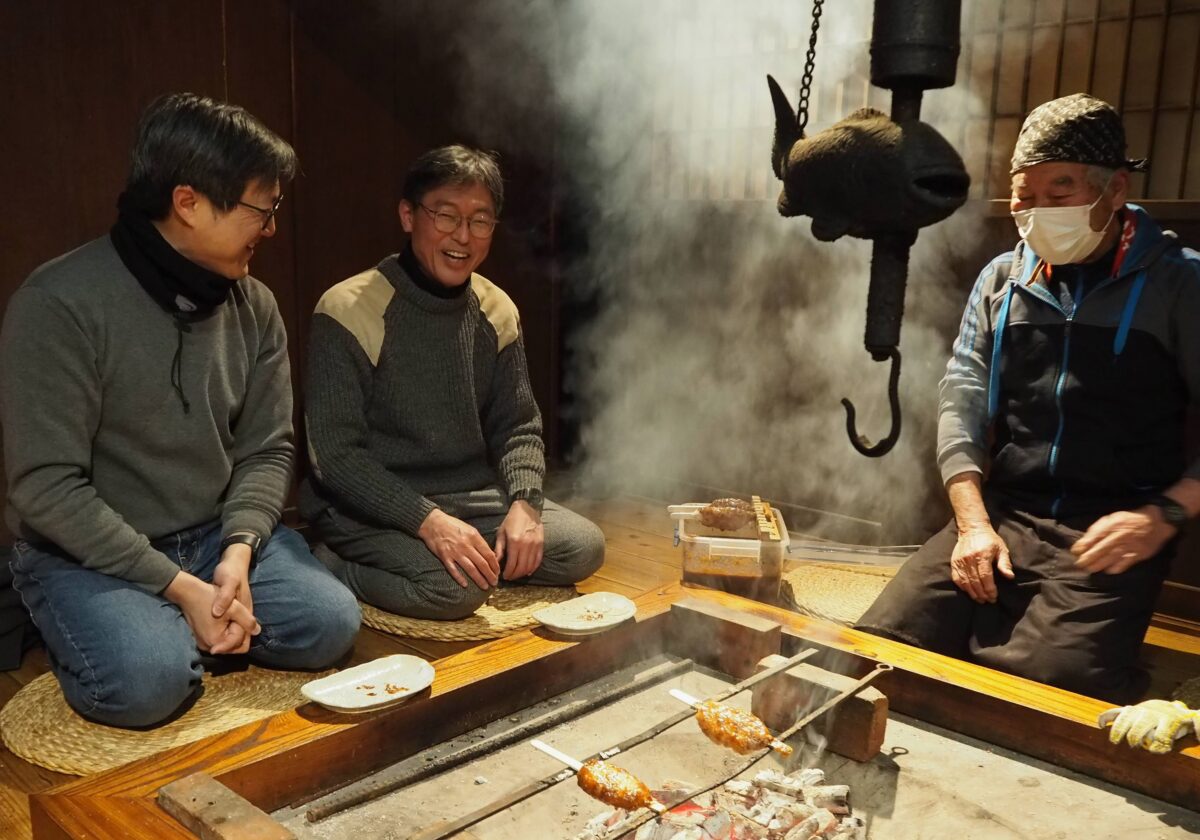
Before dinner, guests experienced grilling gohei-mochi made from locally grown rice over an irori hearth. Gathering around the fire, they savored the fragrant rice cakes while offering thanks for the region’s bounty.
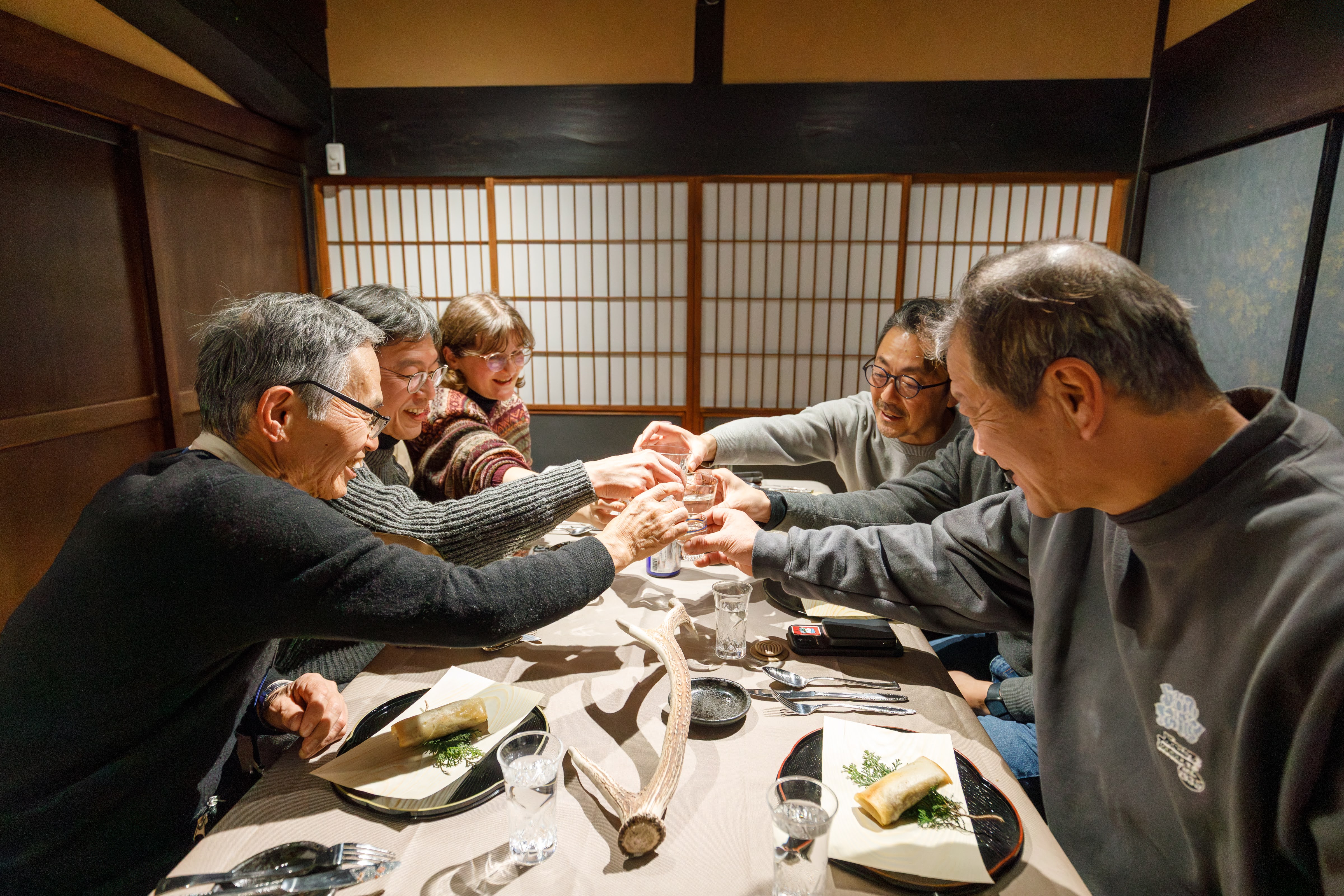
Dinner featured a special course prepared by a chef from Ena city in Gifu Prefecture. The food culture of Ena Iwamura has been shaped by its harsh natural environment: mountainous terrain with dramatic temperature differences, poor soil, and long winters. Rather than attempting to conquer nature, people learned to live in harmony with it. Fermentation, preservation, drying, and smoking are all the accumulated wisdom born from this way of life.
Tonight’s course was a culinary narrative tracing what the people of Ena have eaten and how they have lived. Traditional knowledge was reinterpreted through a modern sensibility, and each dish carried the memory of the land.
The course included dishes such as salmon mi-cuit with Jerusalem artichoke purée and roasted Miura pork served with mountain dashi risotto—each plate generously showcasing local ingredients and the blessings of the mountains.

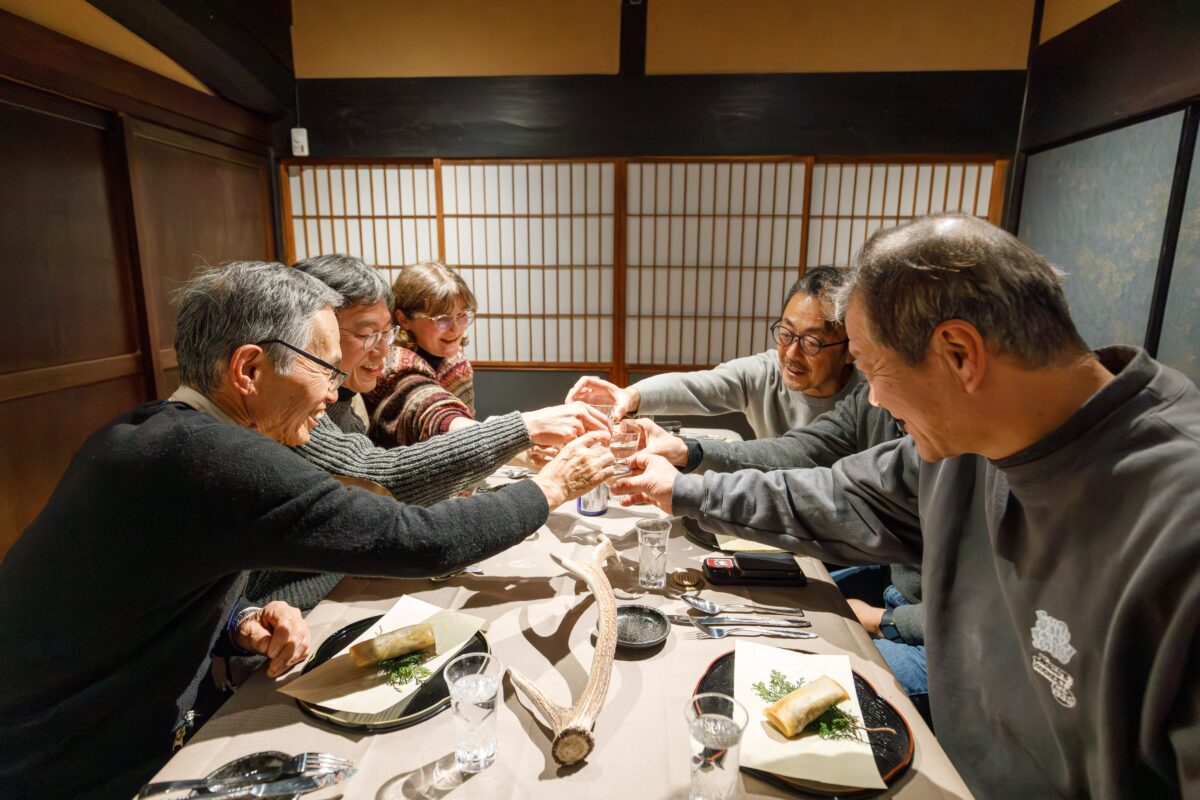
The evening was further enriched by special guests. Mr. Watai from Iwamura brewery and Mr. Sasaki from Iwamura Regional Autonomous Community Council, visited to share stories of the region and the heartfelt dedication of its people.
Listening to their words deepened the guests’ connection to Iwamura. It became an unforgettable evening—one in which cuisine served as a gateway to understanding the land and its people.
Breakfast was delivered from Ine Cafe, run by a newcomer who chose to settle in Iwamura.
The Japanese–Western style meal, prepared with an abundance of locally grown vegetables, reflected both the richness of the region and the warmth of Ine herself, who moved here out of her love for Iwamura.
Through her gentle spirit, we felt the generosity of this town—one that warmly welcomes those who come from elsewhere.
During this journey, we had the pleasure of hearing about the charms of the area not only from Akira, a guide born and raised in Iwamura, and other local residents, but also from newcomers such as Anne, a guide who relocated here from Switzerland.
Their diverse perspectives deepened our understanding of what makes this place so special.
The Closing Chapter of the Iwamura Journey
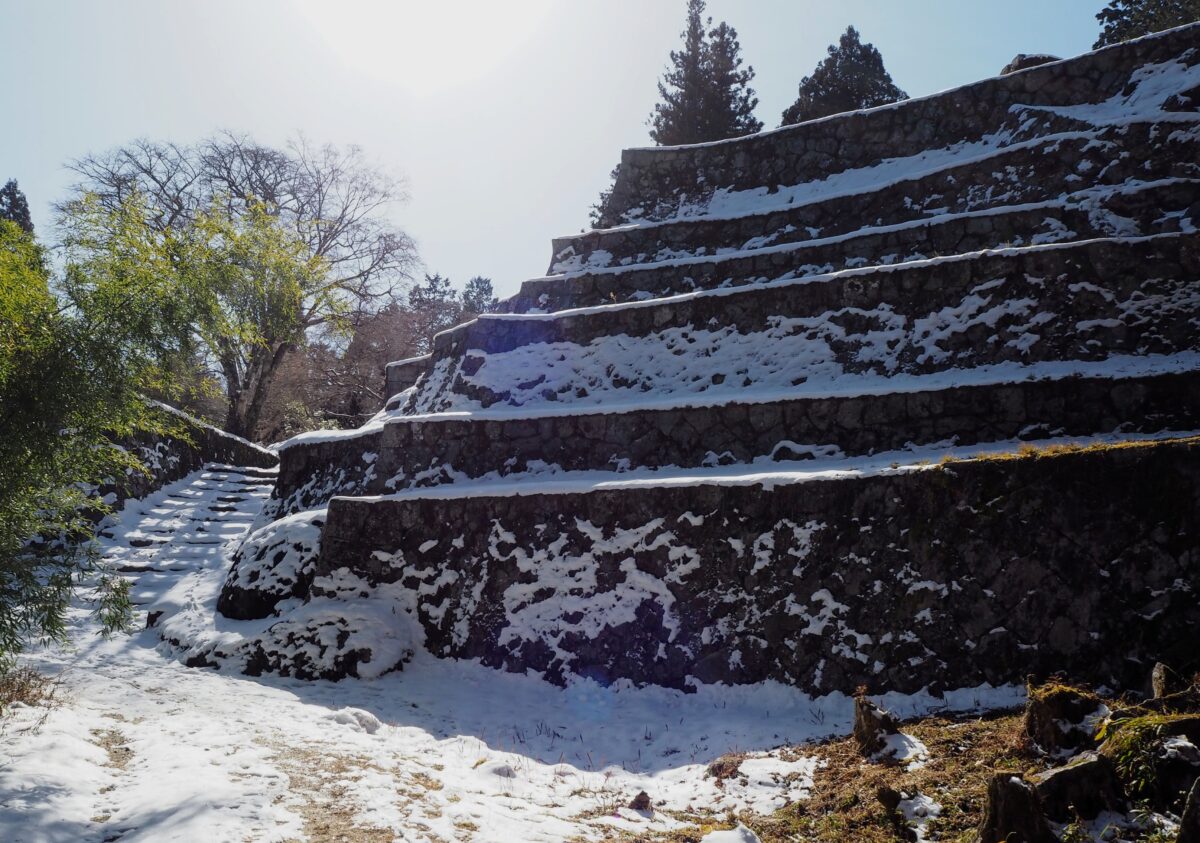
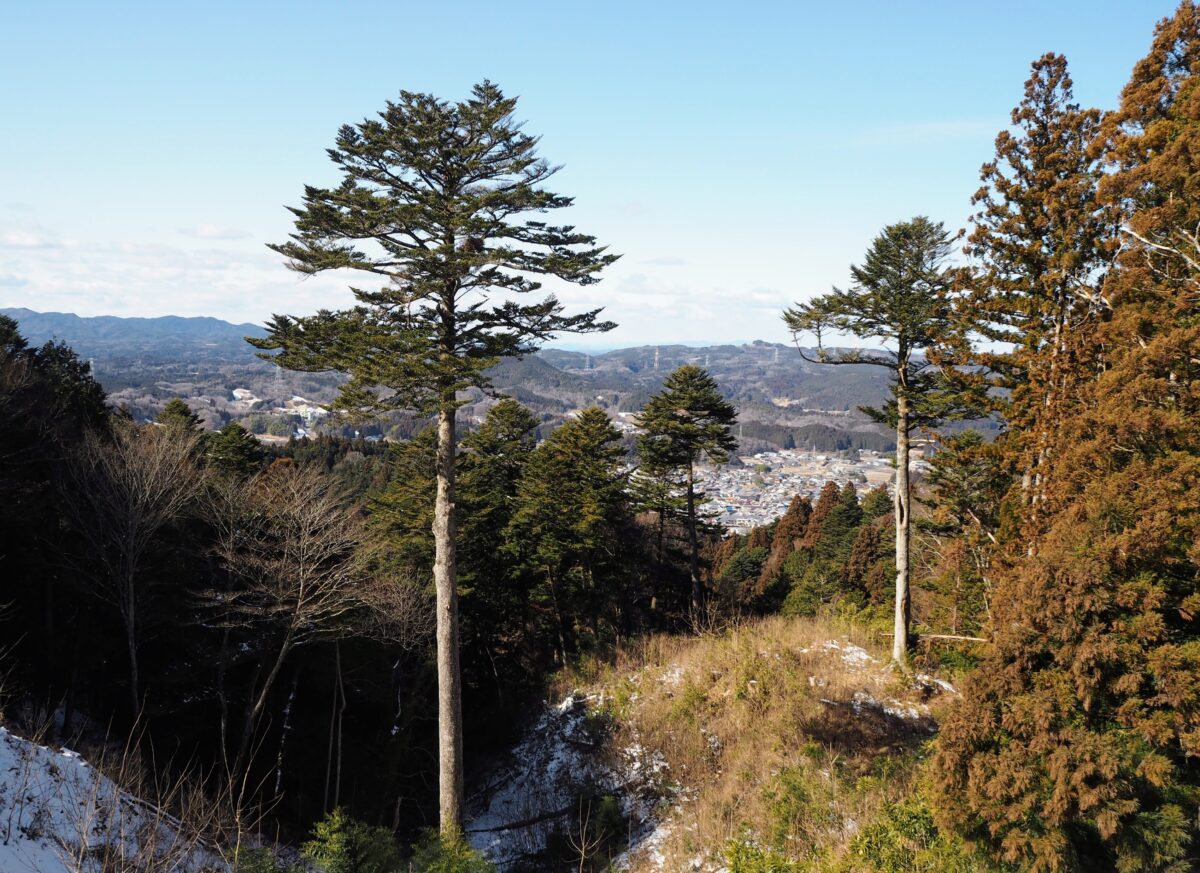
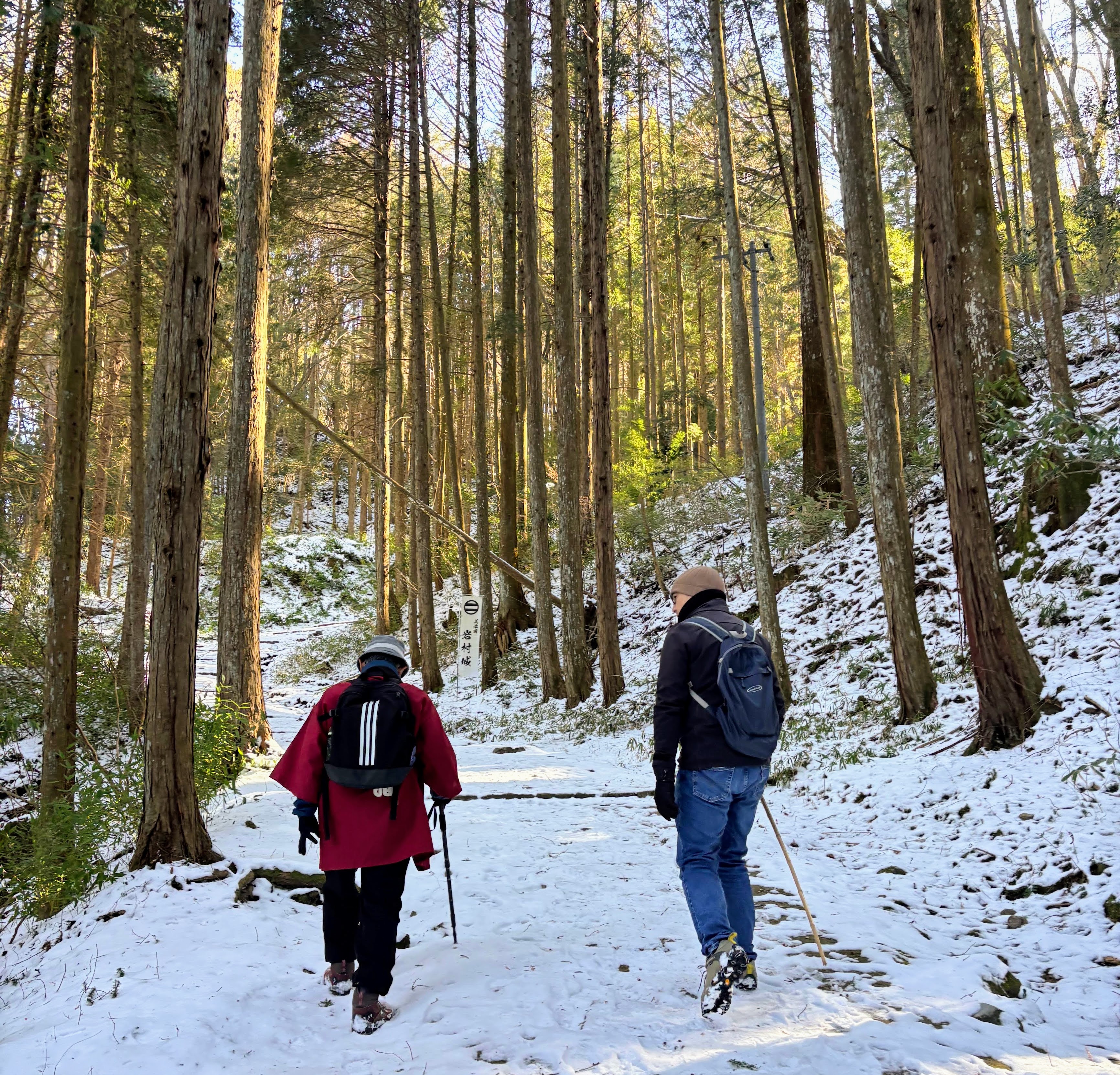
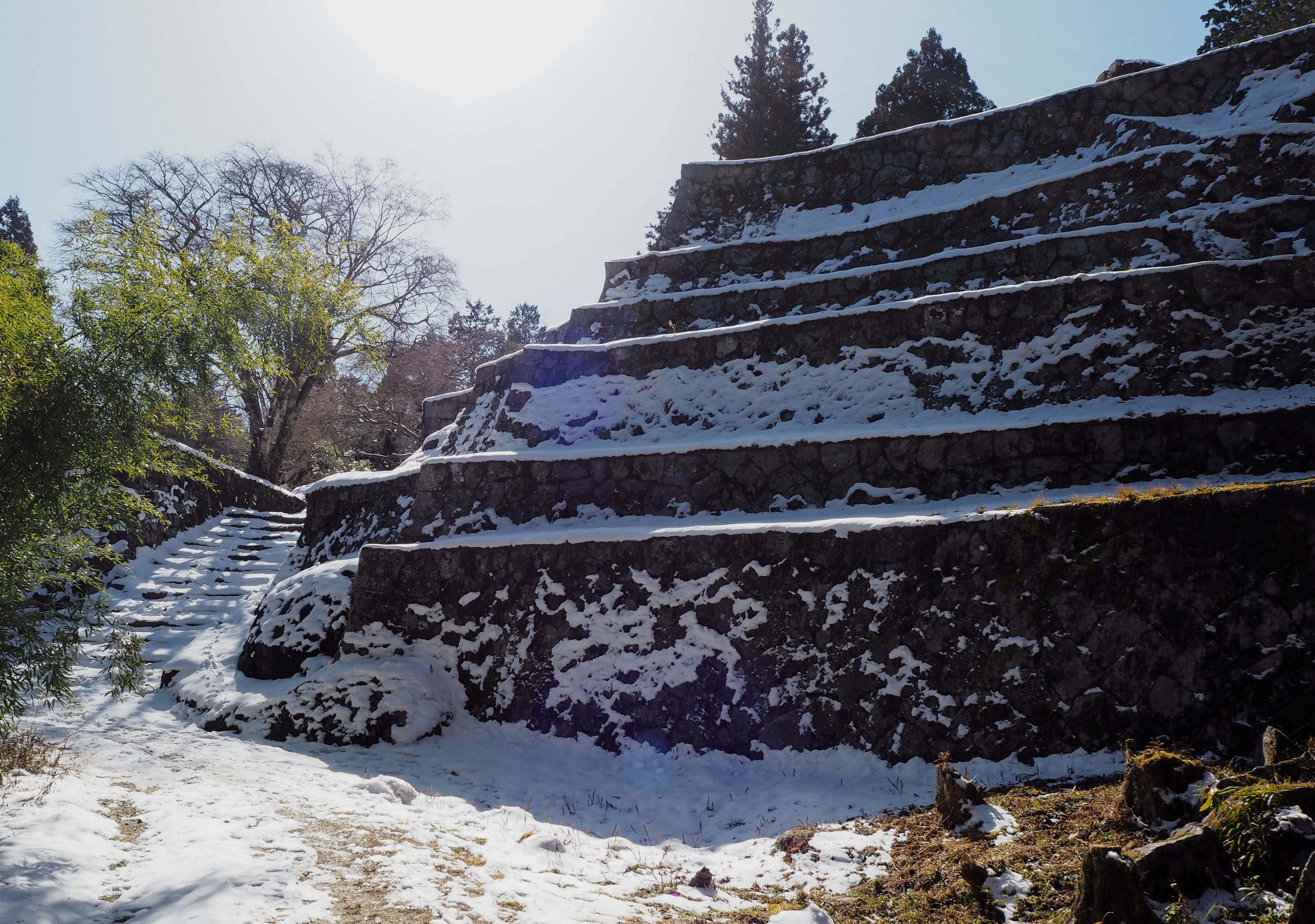
On the next day,our final destination was the ruins of Iwamura Castle, which overlook the castle town and the Tomida district. A short trek up the mountain path reveals not only traces of the past, but also sweeping views of lush nature and layered mountain ranges.
From the summit, both the former castle town of Tomida and the present-day townscape can be seen at a glance.
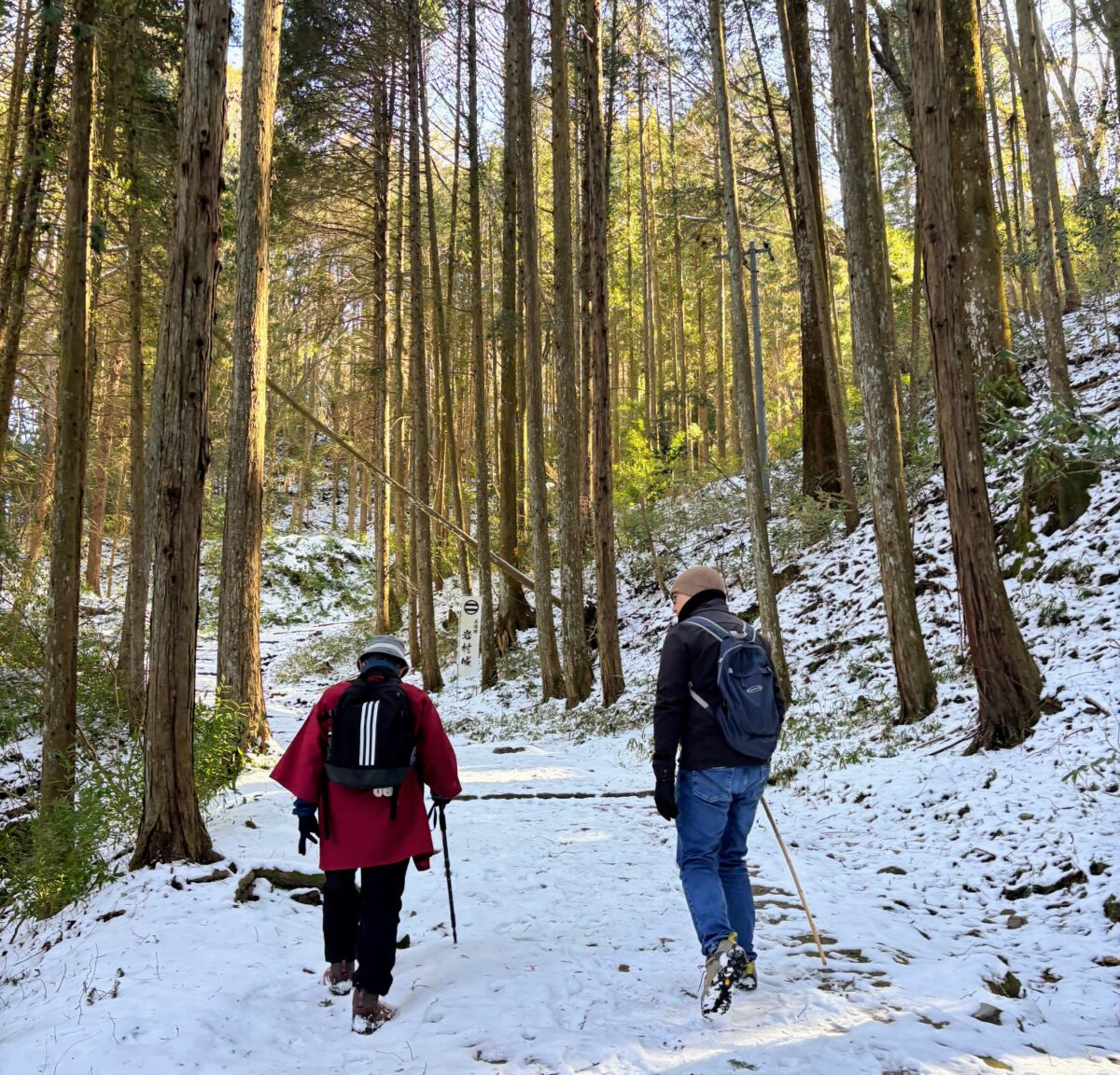
As we gazed out over Iwamura, reflecting on the legacy of its three great historical figures and its famed female lord, and on the spirit that still lives on today, we quietly looked back on the encounters and insights gained throughout the journey.
Visiting Iwamura brings a sense of nostalgia, as if returning to one’s hometown, along with the comforting feeling of being warmly welcomed.
Why not embark on a journey where you can experience the unique spirit that shapes this atmosphere—staying, learning, and living as though you were part of the community itself?